Symposium Report
Heritage Point
March 20, 2026
9 AM - 2 PM
Quincy, MA
Table of Contents





Introduction
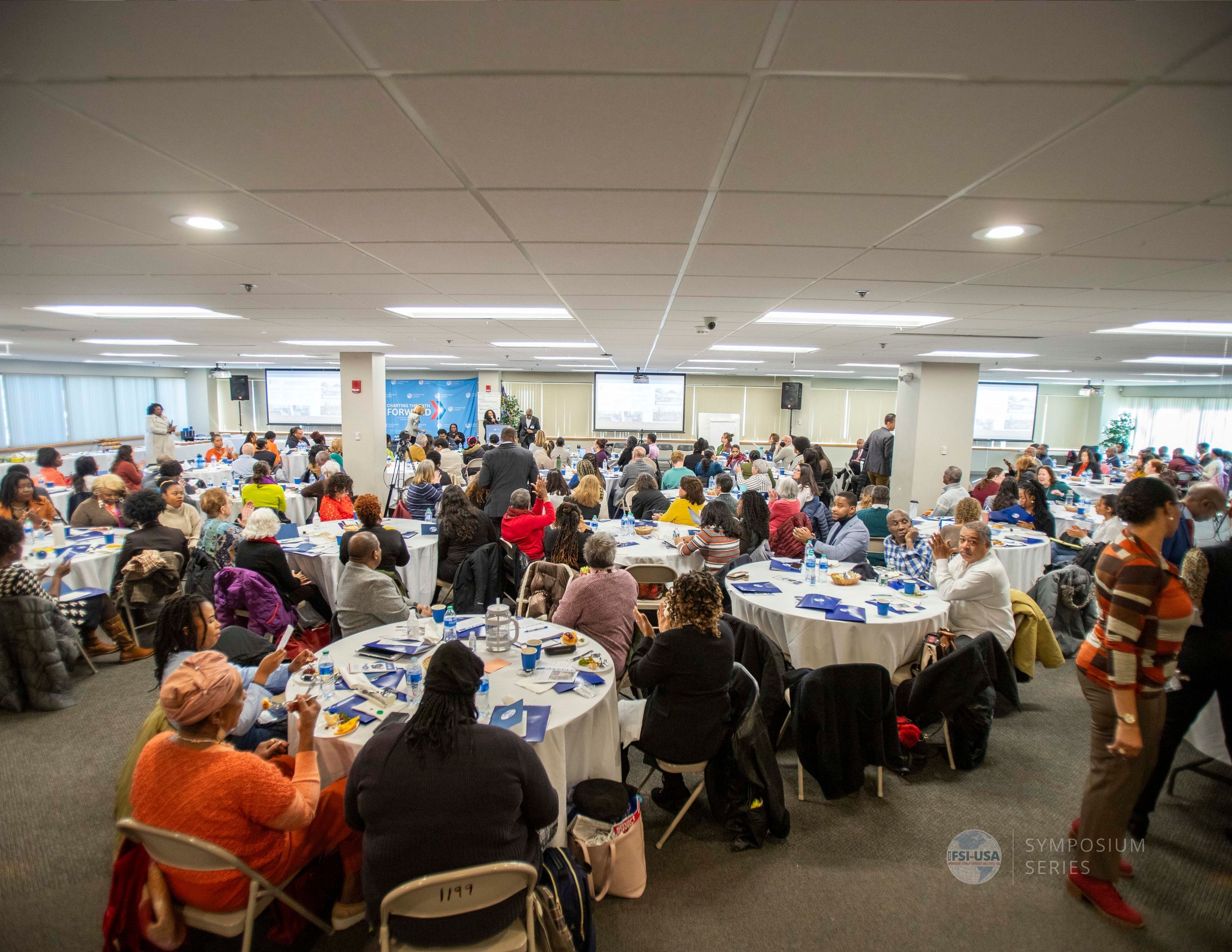
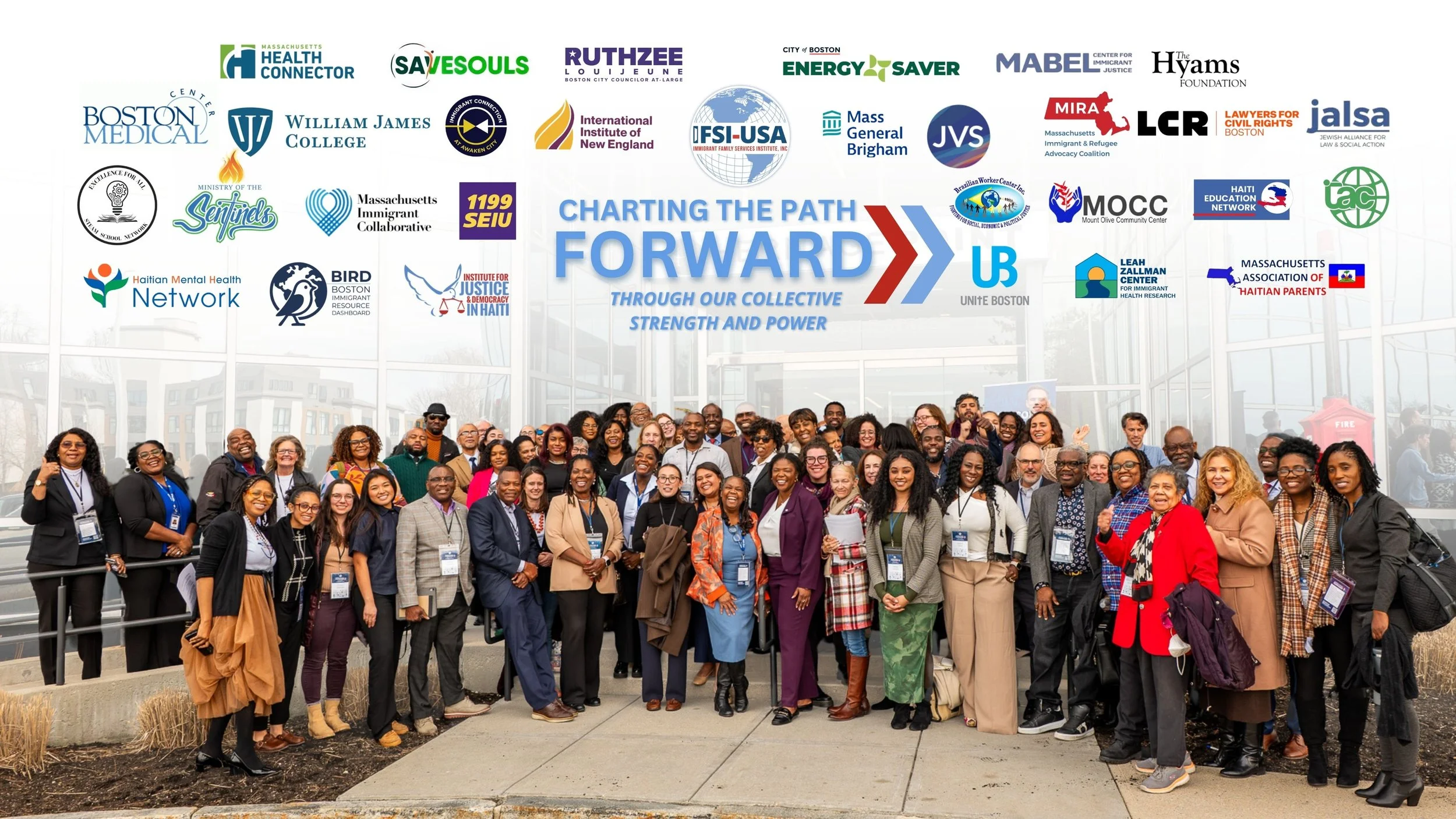
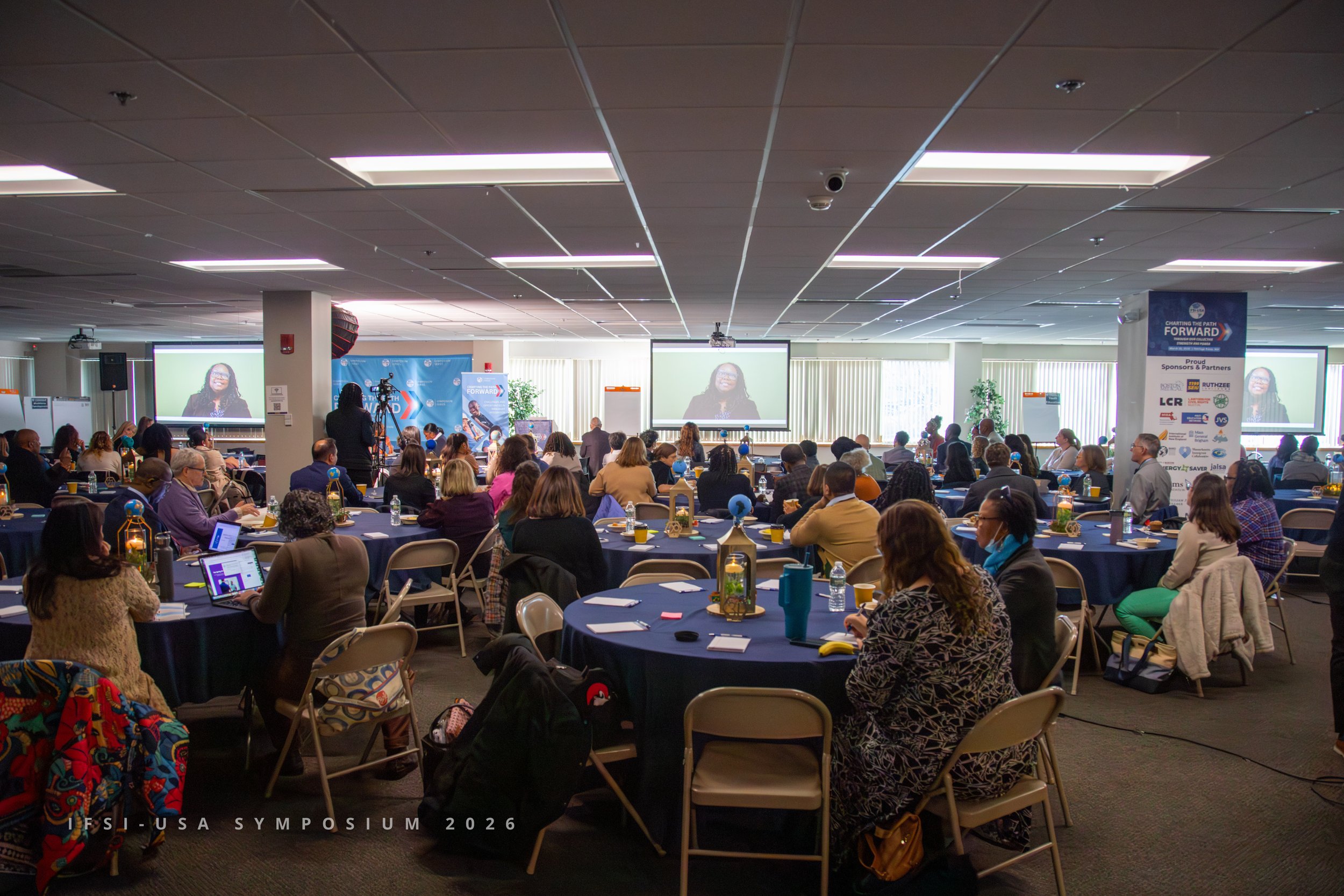
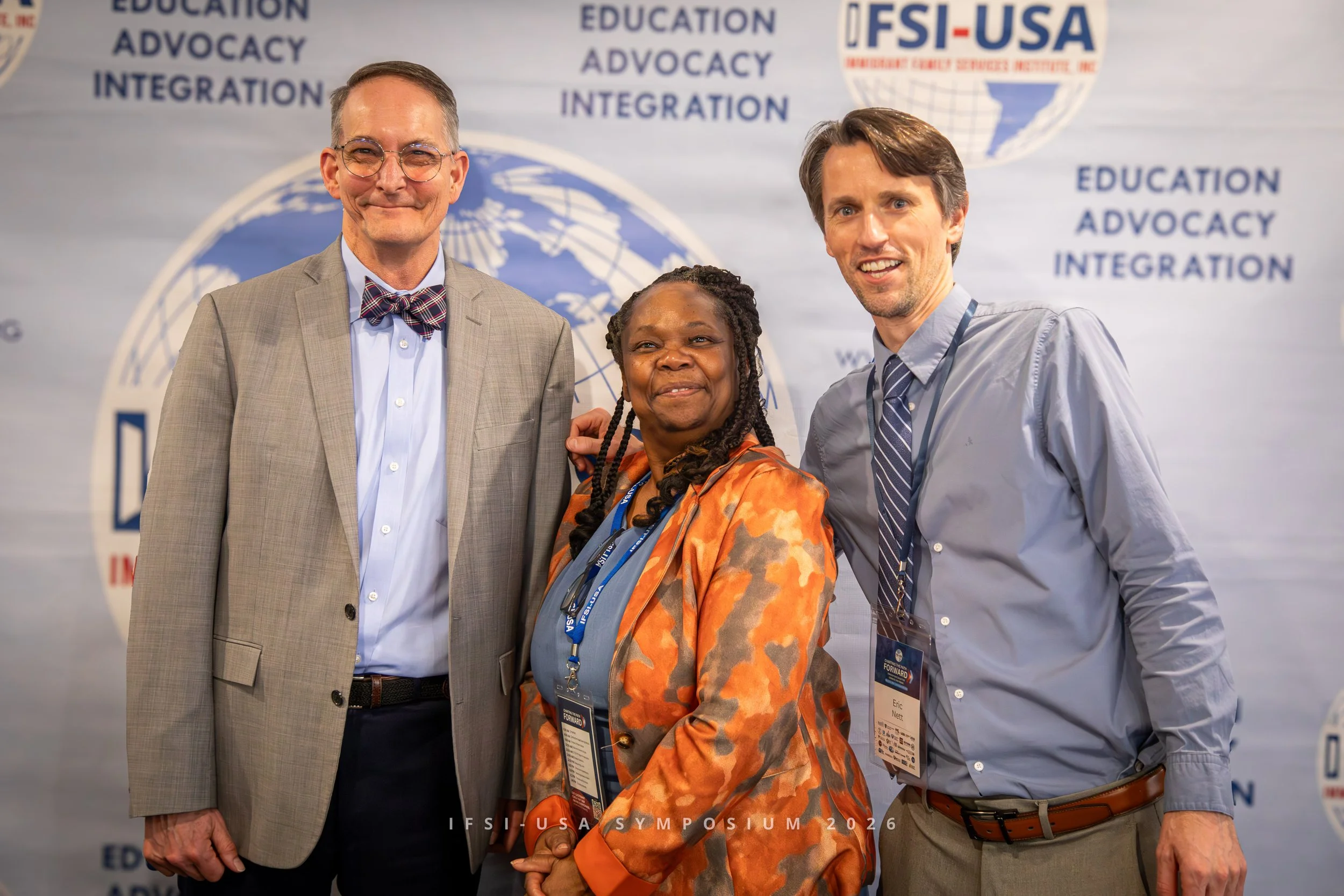
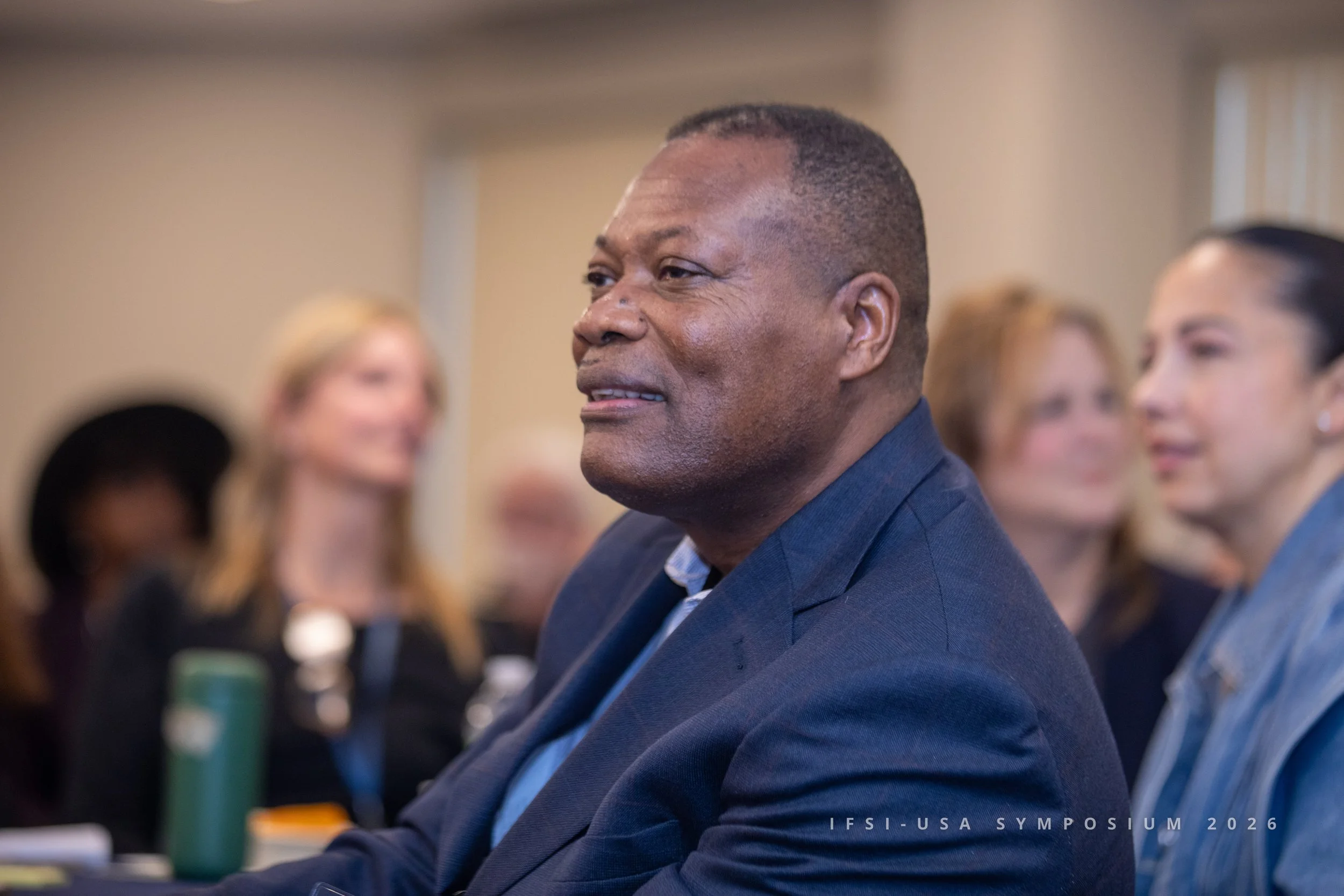
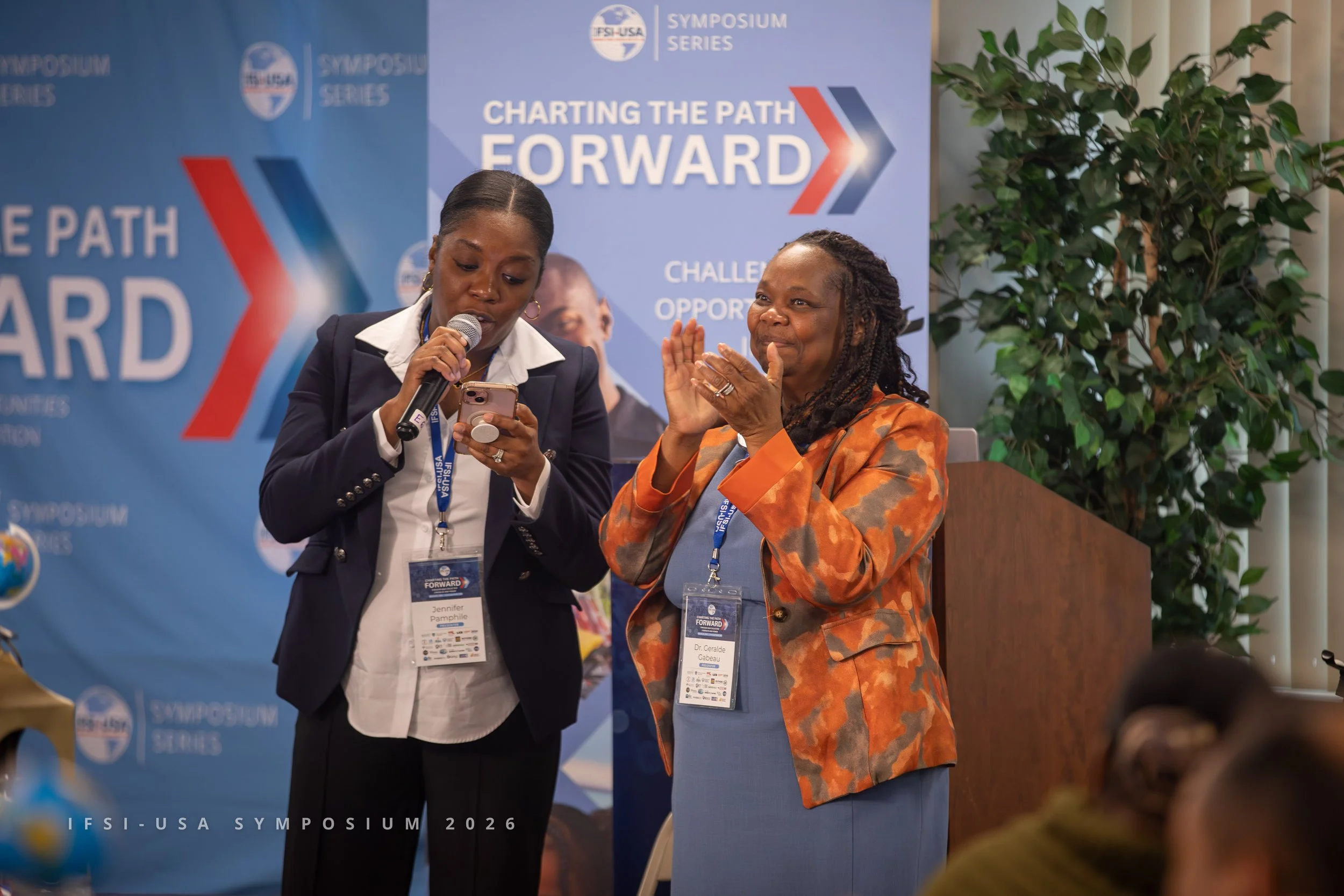
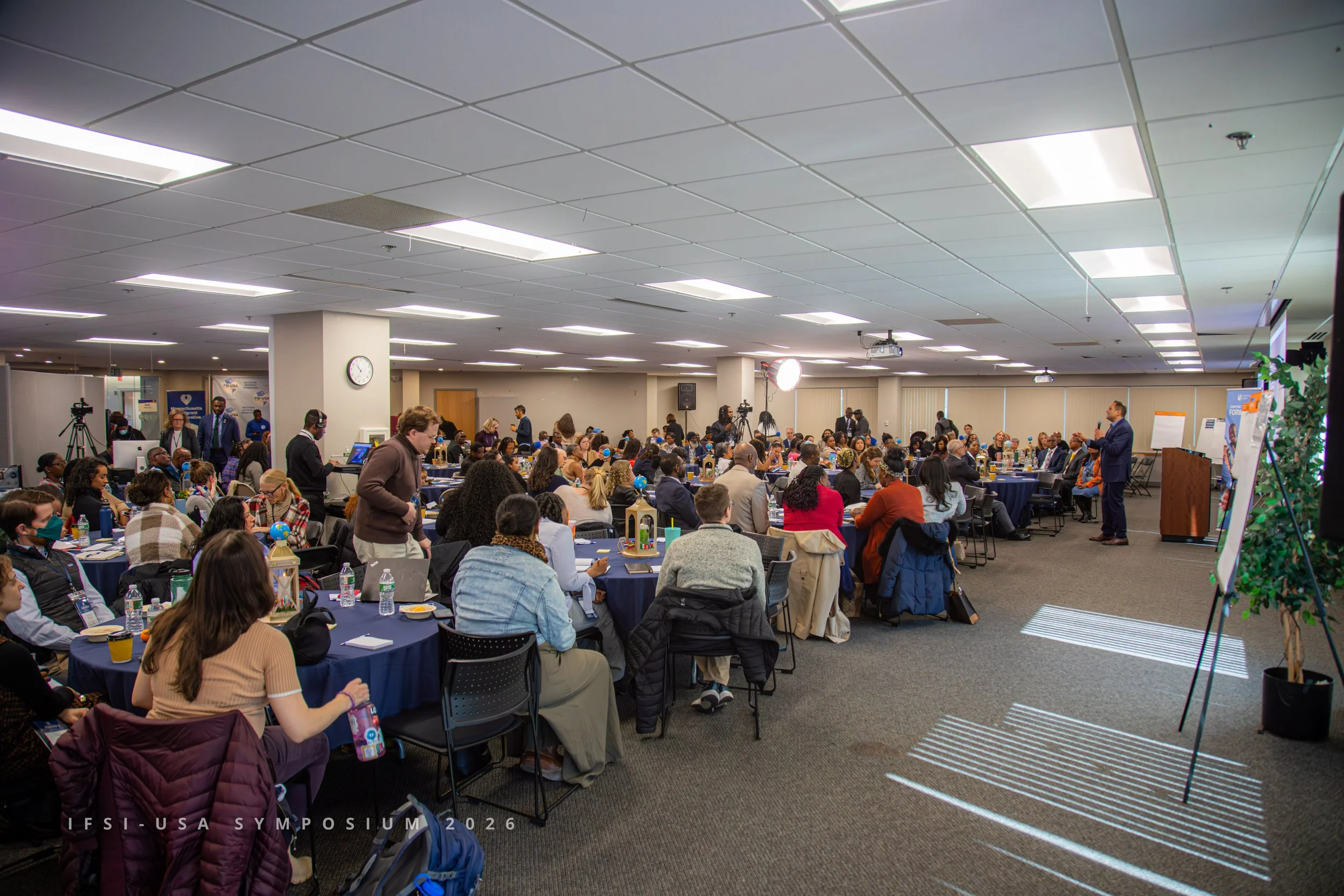
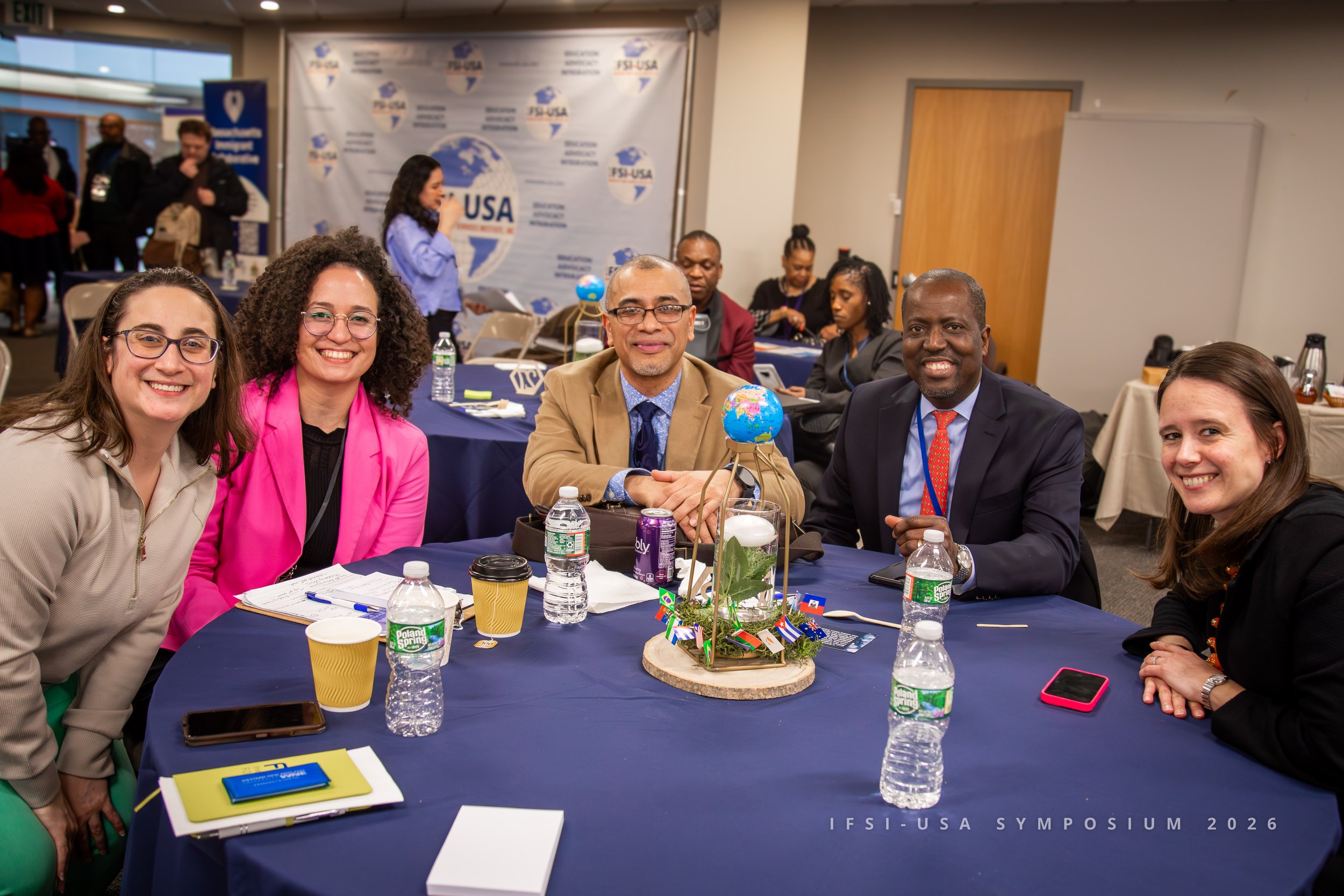
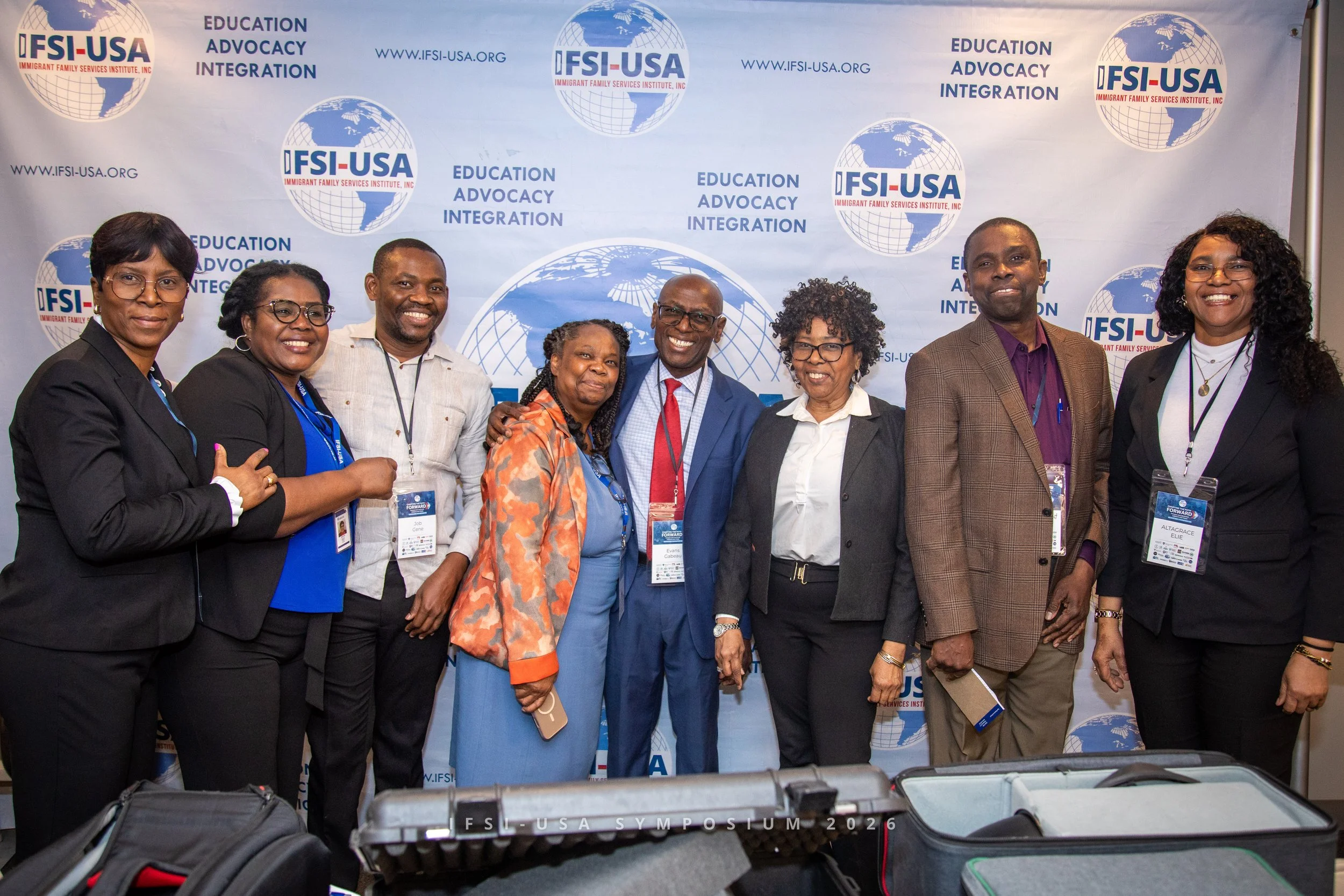
The Immigrant Family Services Institute (IFSI) convened its Annual Symposium, Charting the Path Forward, on March 20, bringing together community leaders, advocates, policymakers, and service providers from across Massachusetts. The Symposium served as a platform to share critical information, elevate community voices, and reinforce the importance of collective action in advancing immigrant rights and well-being.
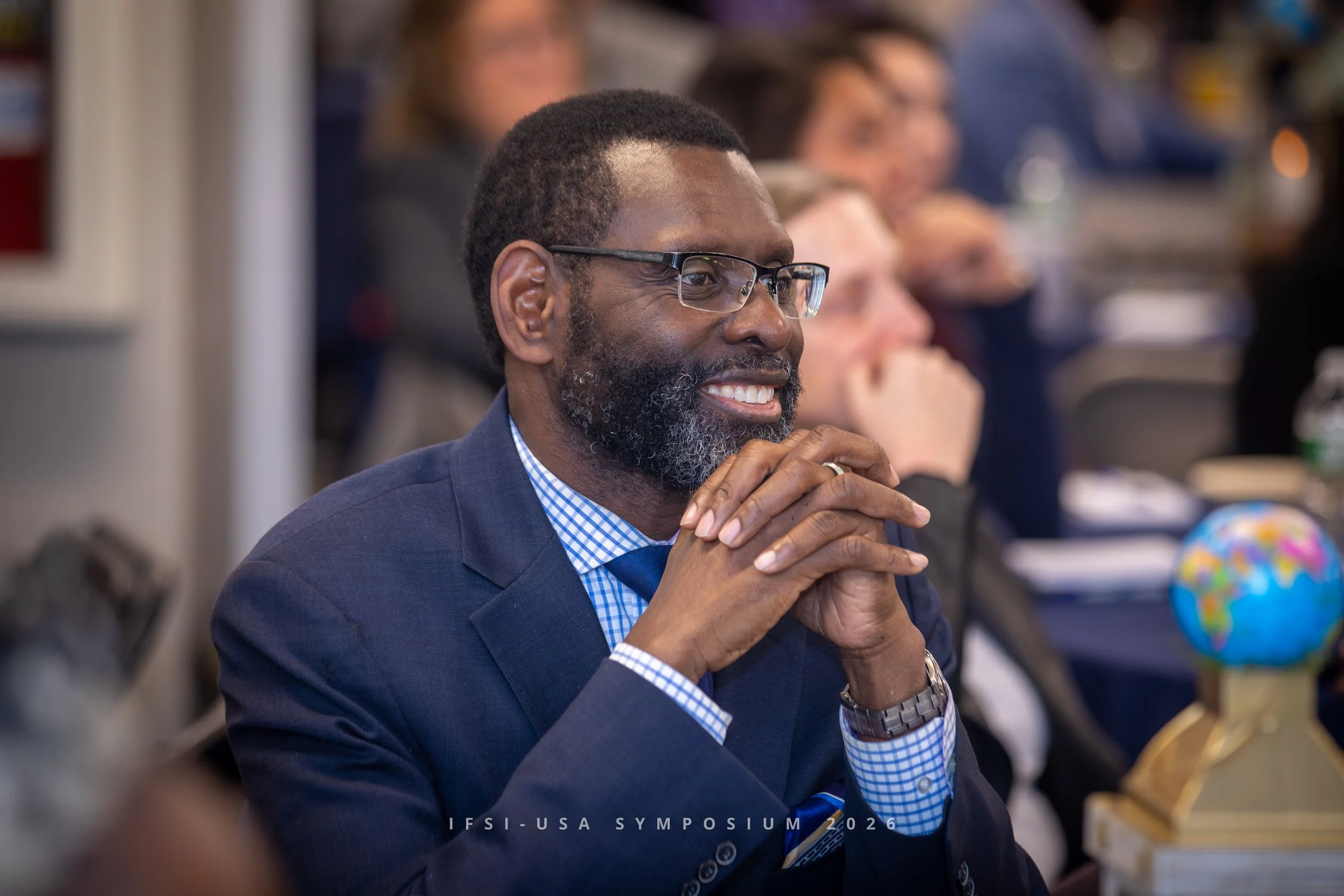
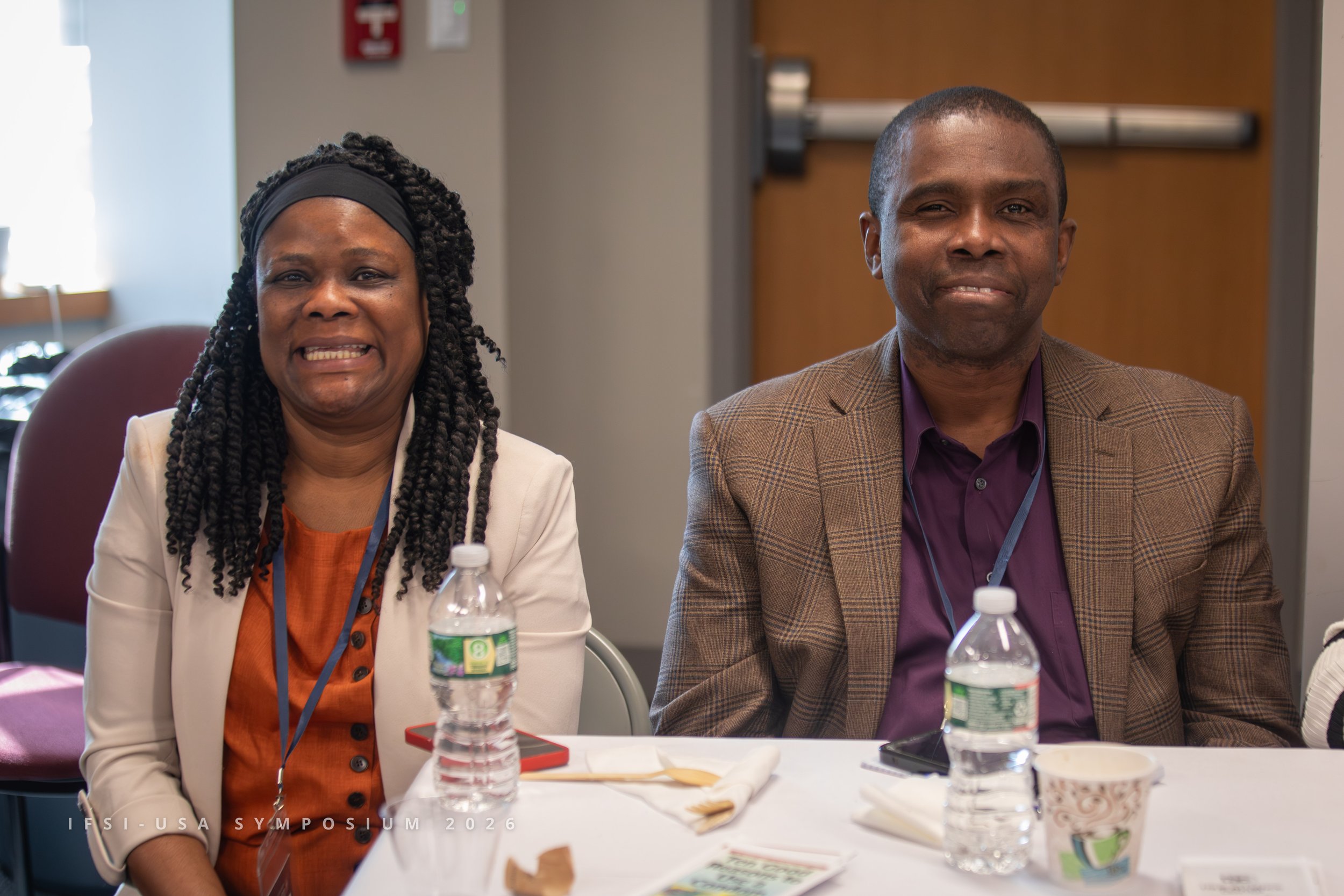
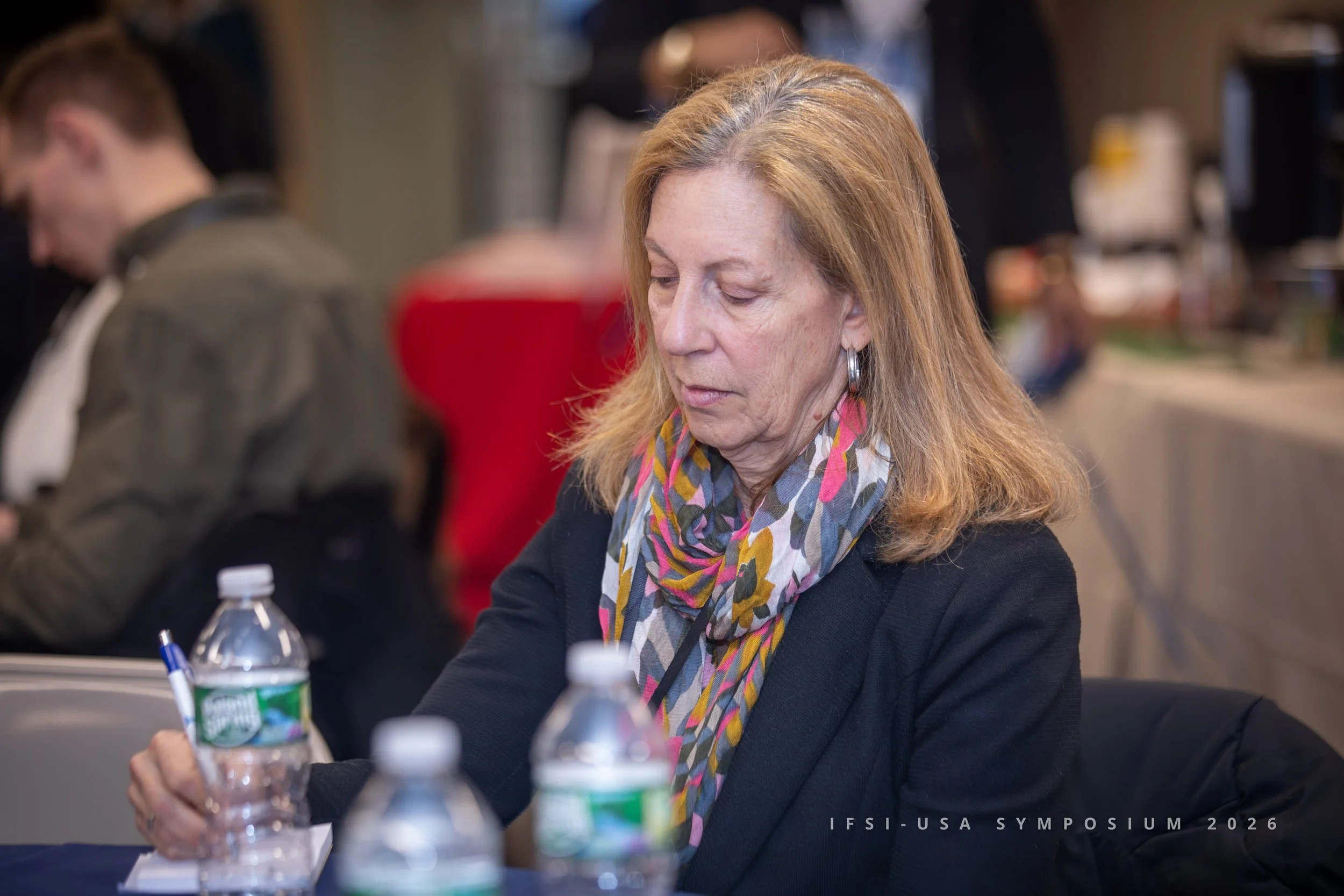
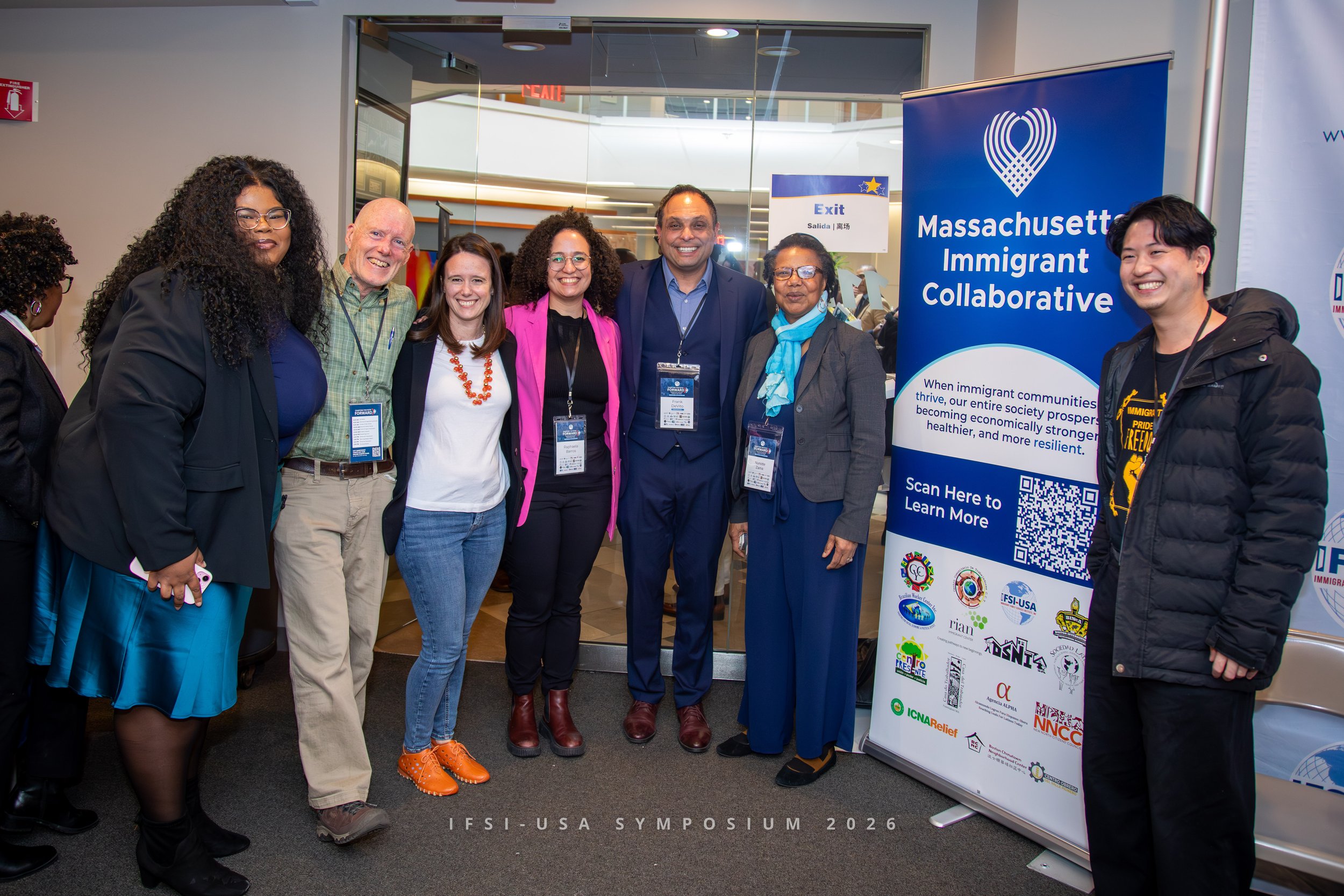
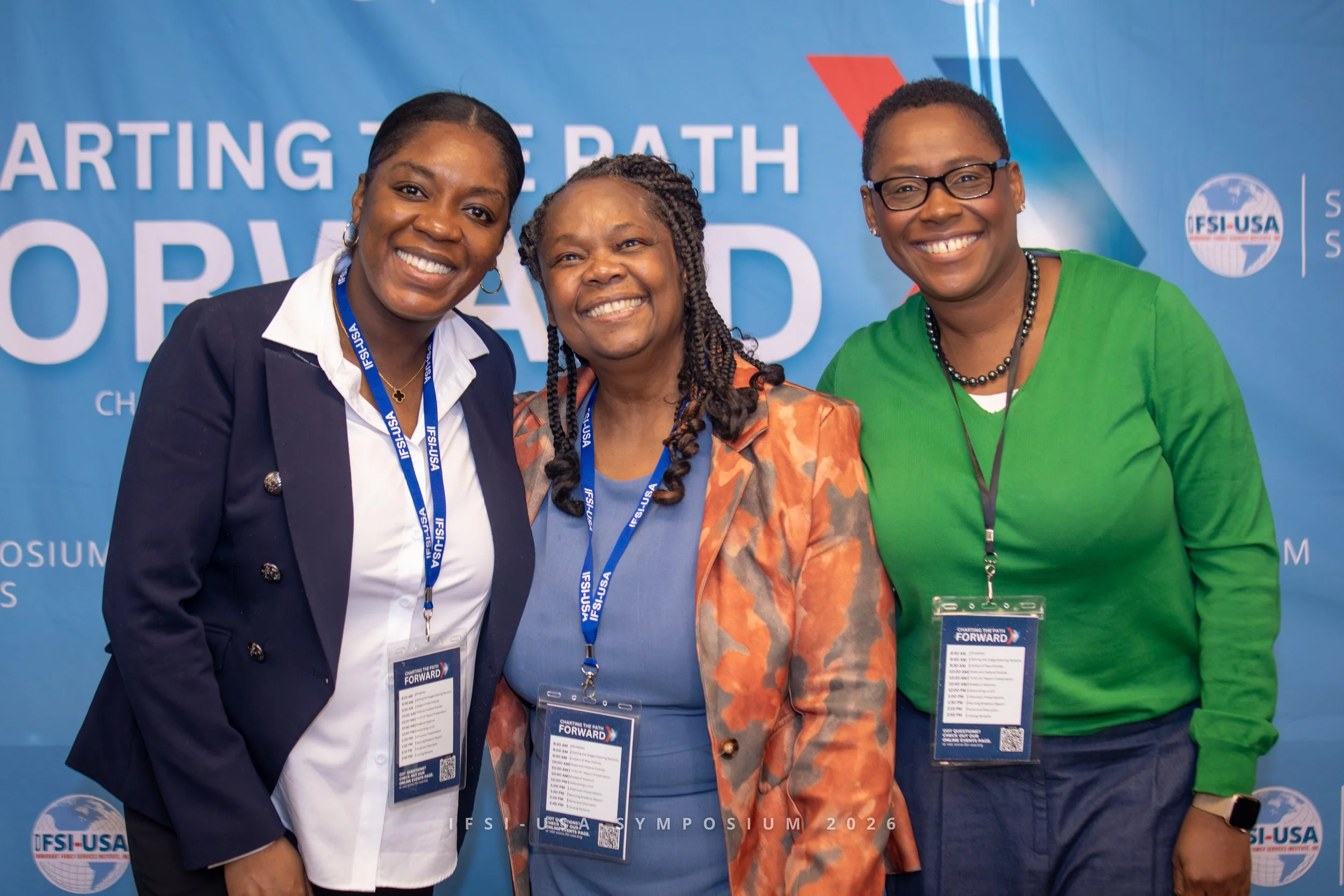
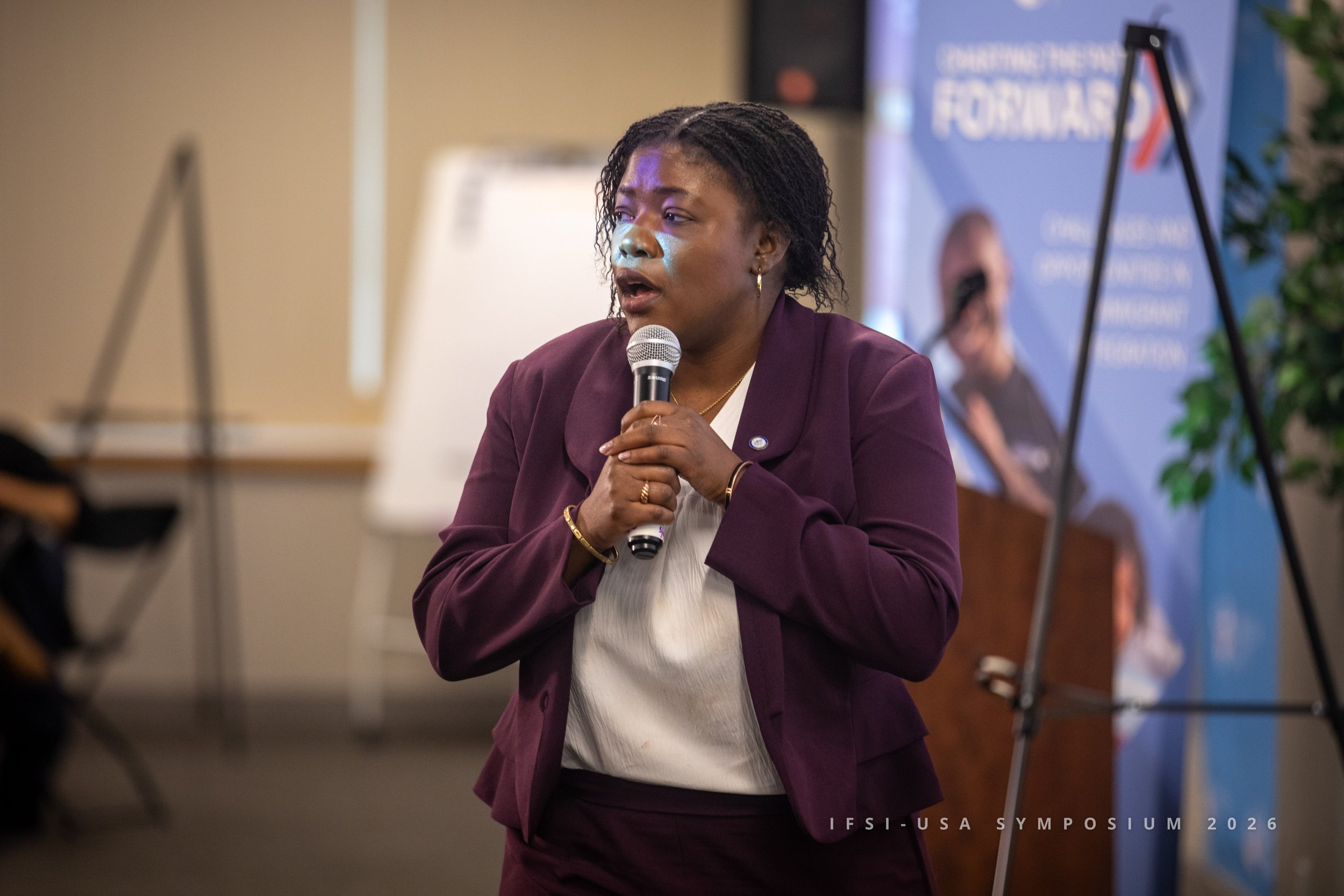
Morning Session
IFSI’s opening short documentary film powerfully grounded the Symposium in the lived realities of the families IFSI serves, telling the story of Wilson Jean-Francois Paul, a father who fled Haiti with his wife in search of safety and life-saving medical care. Wilson describes the violence and instability that defined daily life in Haiti constant gunfire, gang control, and a near-fatal encounter that ultimately forced his decision to leave. His journey was not only about survival, but about securing treatment for his wife, who is battling cancer and could no longer safely access care in Haiti. Yet, even after reaching the United States, Wilson now has a new fear-the threat of deportation-which could return his family to the very conditions they fled. His story illustrates the emotional, economic, and health-related challenges immigrant families face, and it set the stage for the Symposium’s focus addressing these widespread challenges.
The morning session featured speakers who highlighted key policy developments, community challenges, and opportunities for advocacy.
Sector Overviews
-
Ronnie Millar
Director of Strategic Initiatives for the Office of Refugees and Immigrants (ORI)
-

Brian Concannon
Executive Director of the Institute for Justice and Democracy in Haiti
-

Elizabeth Sweet
Executive Director of the Massachusetts Immigrant and Refugee Advocacy Coalition (MIRA)
-

Frank DeVito
Executive Director of the Massachusetts Immigrant Collaborative
-

Dr. Kevin Simon
Chief Behavioral Health Officer for the City of Boston
-
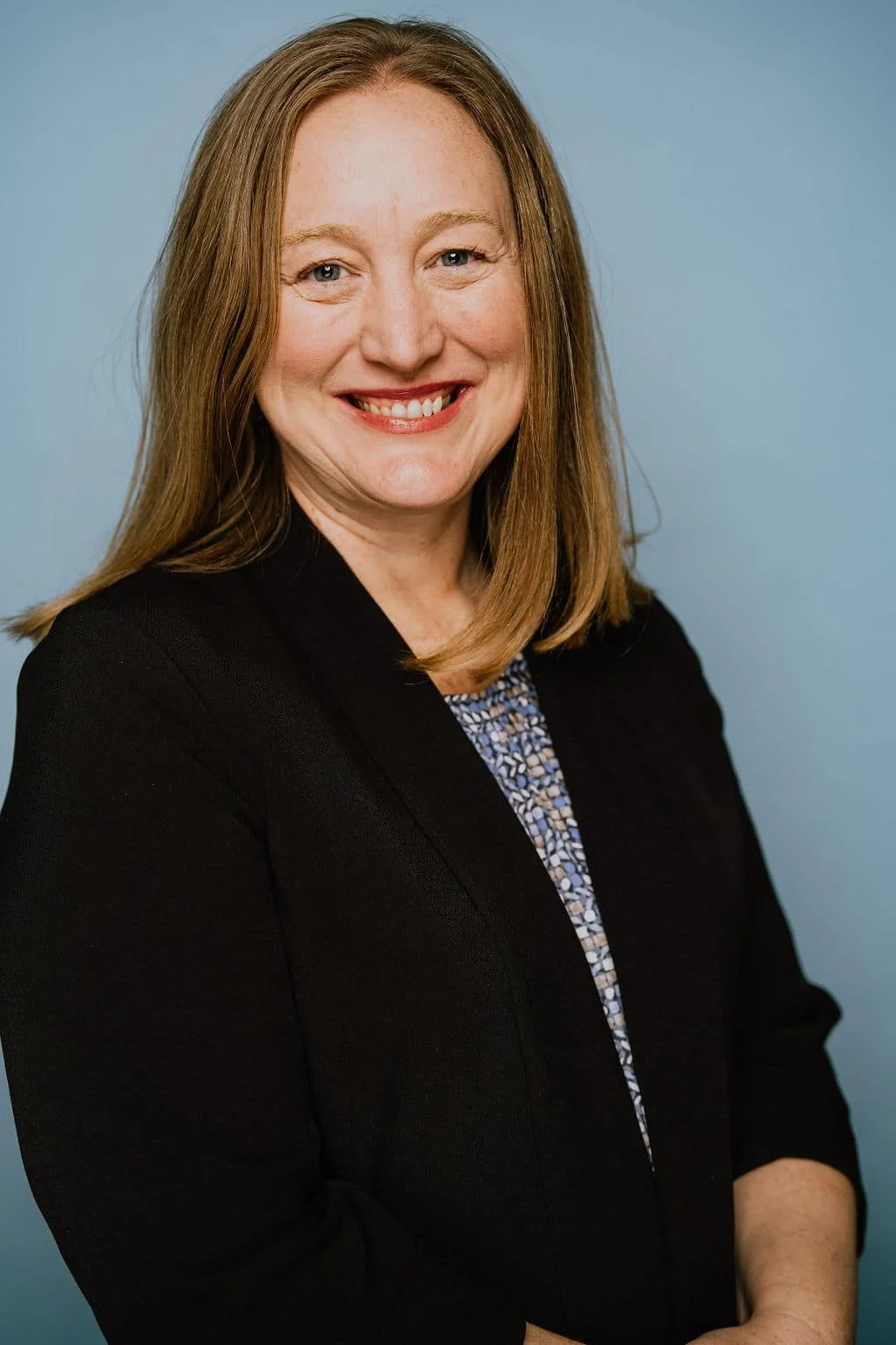
Jessica Santos
Director of the Leah Zallman Center for Immigrant Health Research
Tribute to Emmanuel Damas
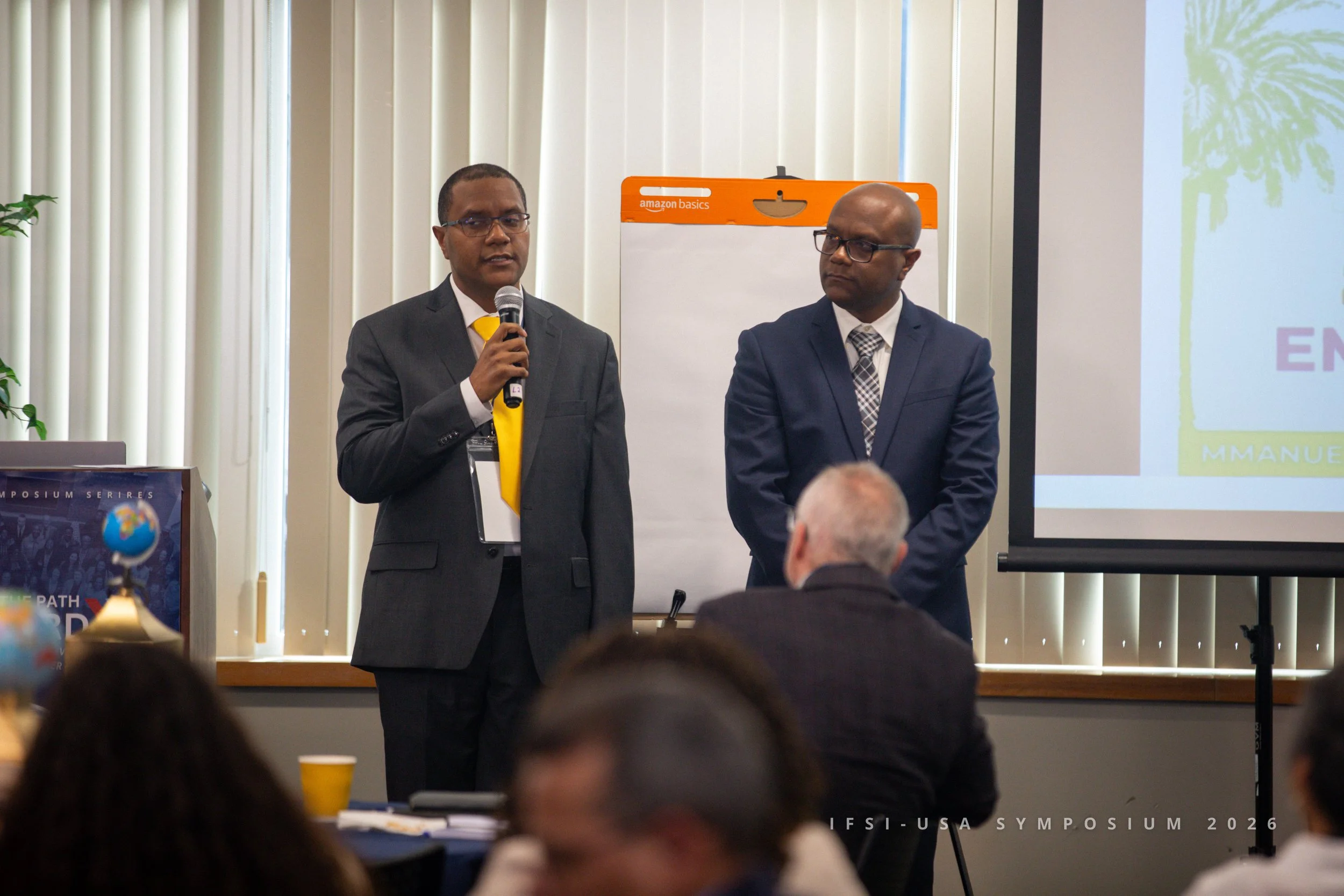
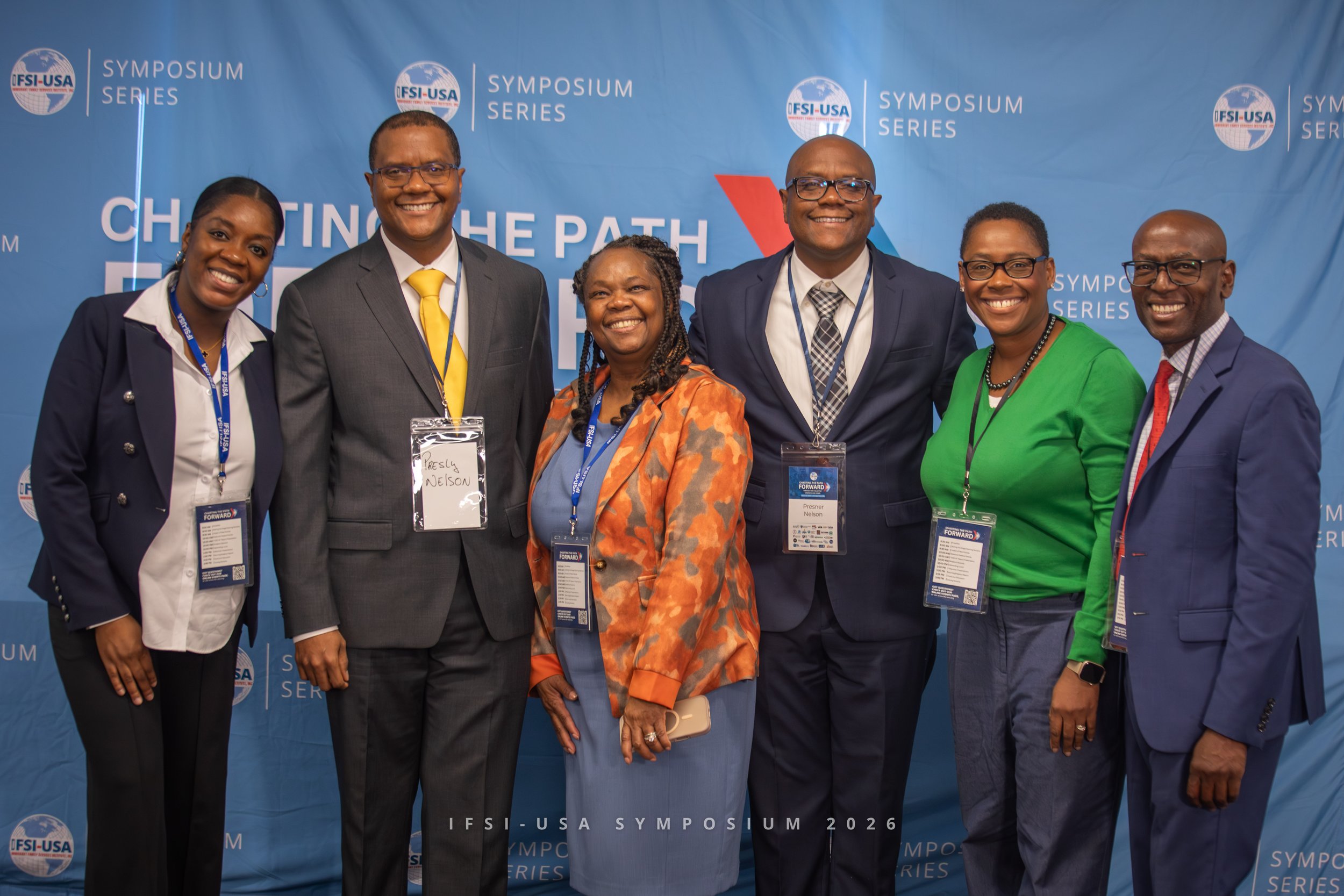
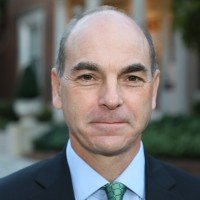
In a moving and heartfelt tribute, Presly and Presner Nelson honored the life of their brother, Emmanuel Damas. They recounted his lawful entry into the United States under humanitarian parole and the circumstances leading to his detention by ICE in September 2025. Despite repeated requests for medical attention while in custody, Emmanuel developed a severe infection and ultimately passed away. Their testimony highlighted the human consequences of current enforcement practices and called for greater accountability, dignity, and compassion within the system. They courageously shared their story with the goal that other families will not need to experience their same sadness and loss.
Sector-Based Breakout Session Summaries
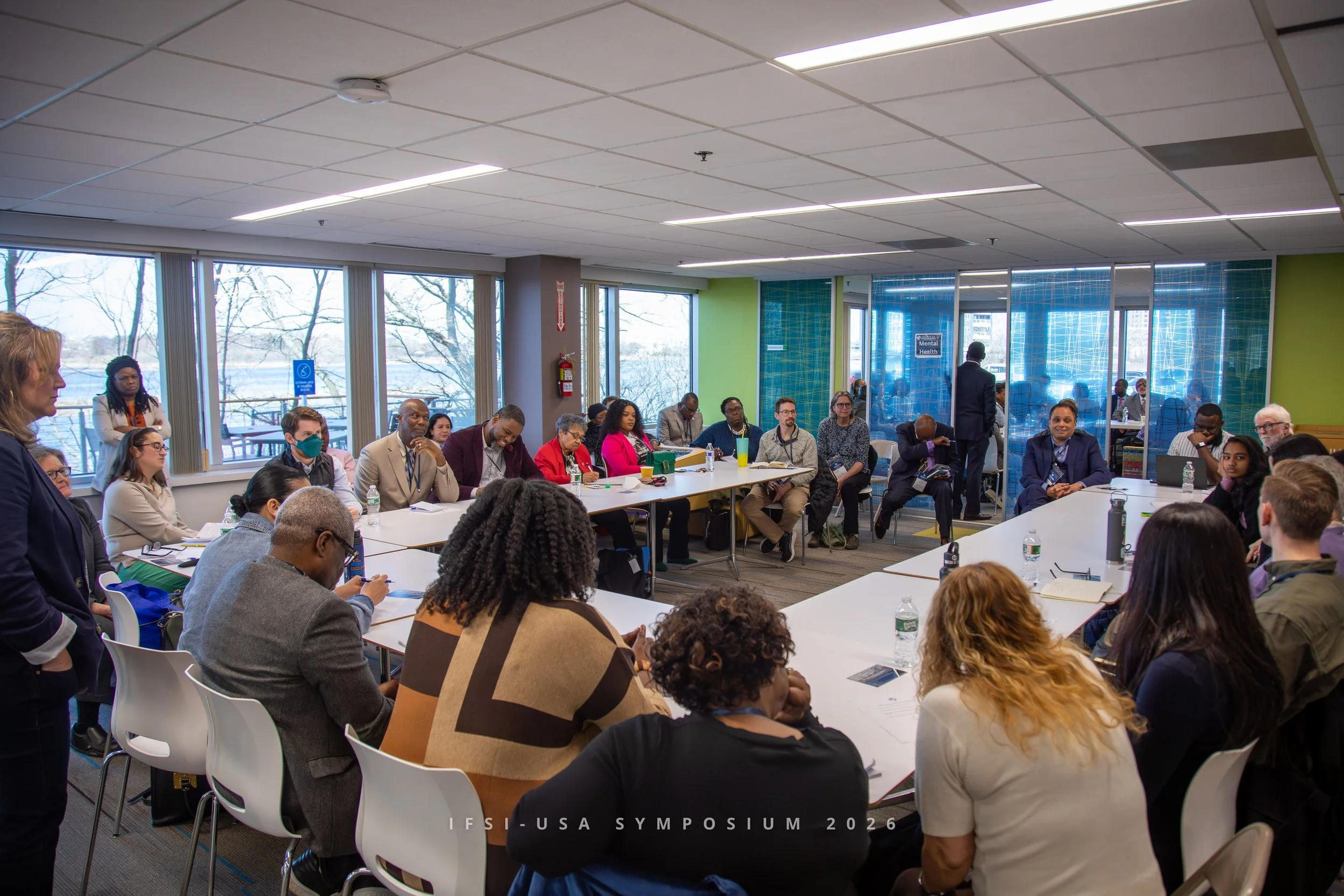
Each of the following sessions brought together practitioners, community leaders, and advocates working directly with immigrant communities. Across sectors, participants highlighted urgent systemic barriers, while also identifying pathways for collaboration, resilience, and long-term impact. The Breakout Sessions were guided by four key questions: 1. What are you currently seeing in your work? 2. If nothing changes, what future reality do you anticipate? 3. What can we do individually and collectively to prevent that scenario? 4. What is your hope for your sector moving forward? Together, these questions prompted participants to move beyond reflection toward forward-looking analysis, enabling groups to anticipate emerging challenges and collaboratively identify practical actions and interventions to shape more equitable and resilient outcomes.
Afternoon Reports
from Breakout Groups
Across all six sessions, several cross-cutting themes emerged: the need for stronger coordination across sectors, the importance of culturally responsive and community-centered approaches, and the urgency of addressing systemic barriers through both programmatic innovation and policy advocacy.
At the same time, participants expressed a shared sense of hope grounded in collaboration, resilience, and collective action. The Symposium reinforced that while the challenges facing immigrant communities are complex, there is both the will and the vision to build more equitable, responsive, and sustainable systems moving forward.
Legal and Advocacy
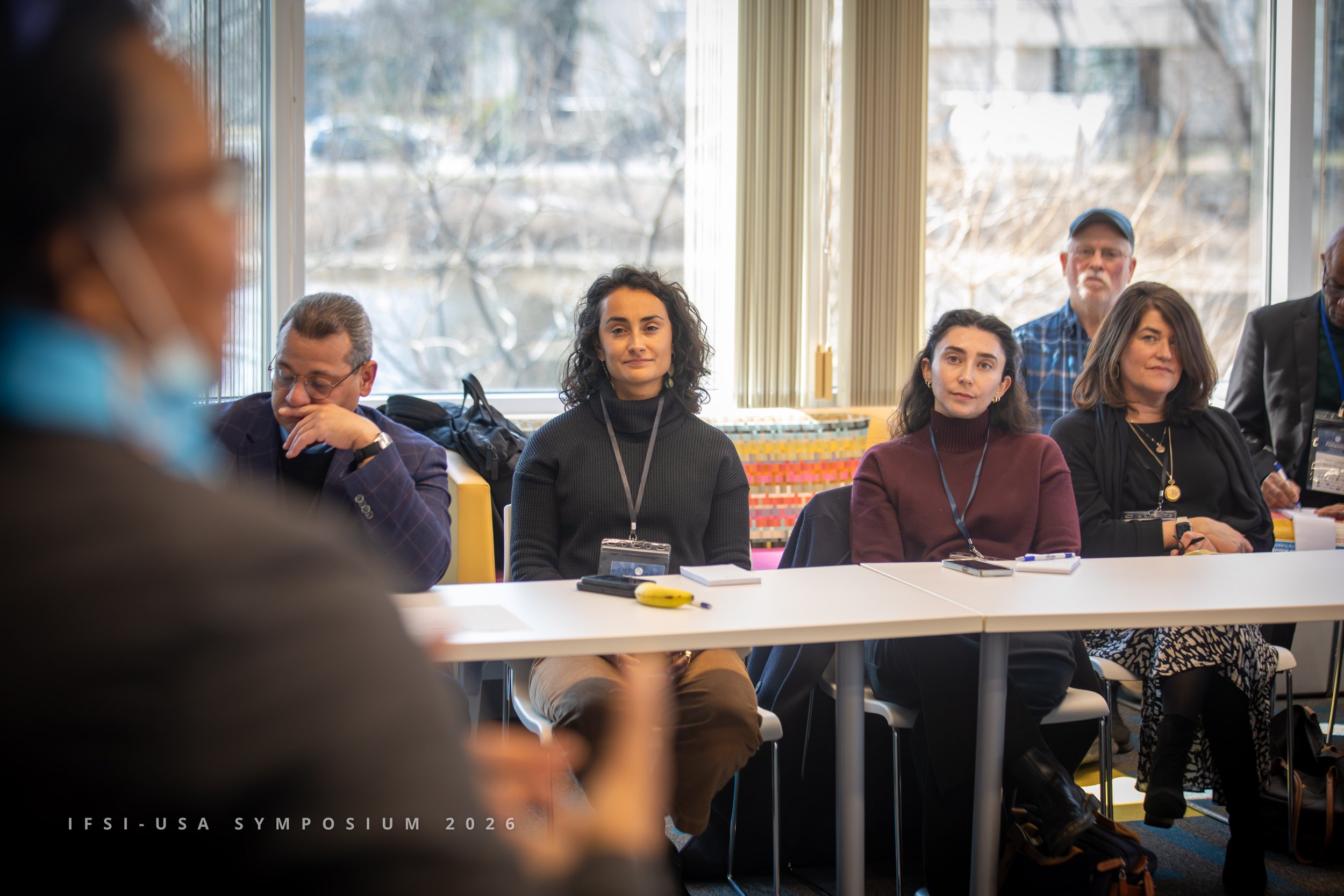
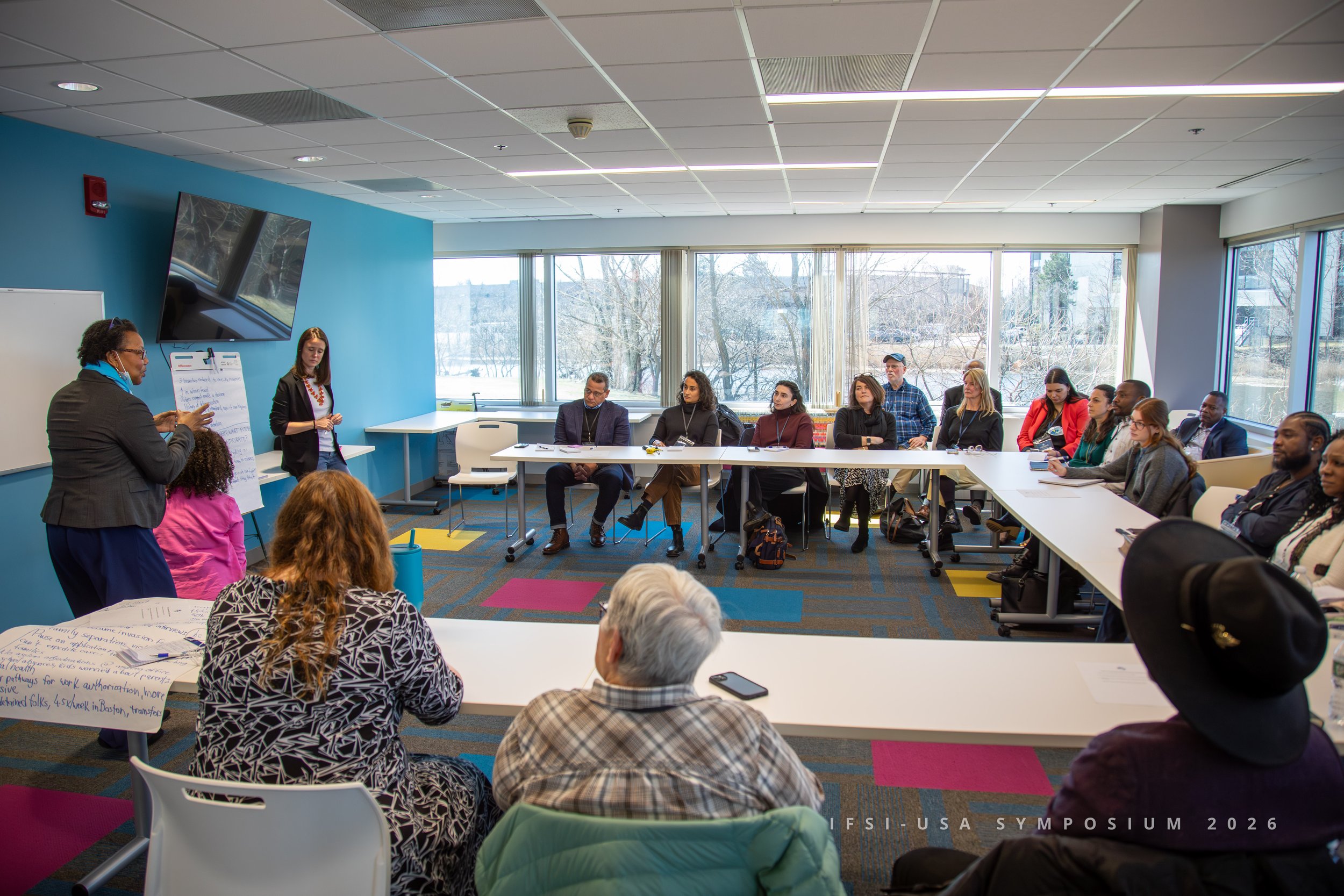
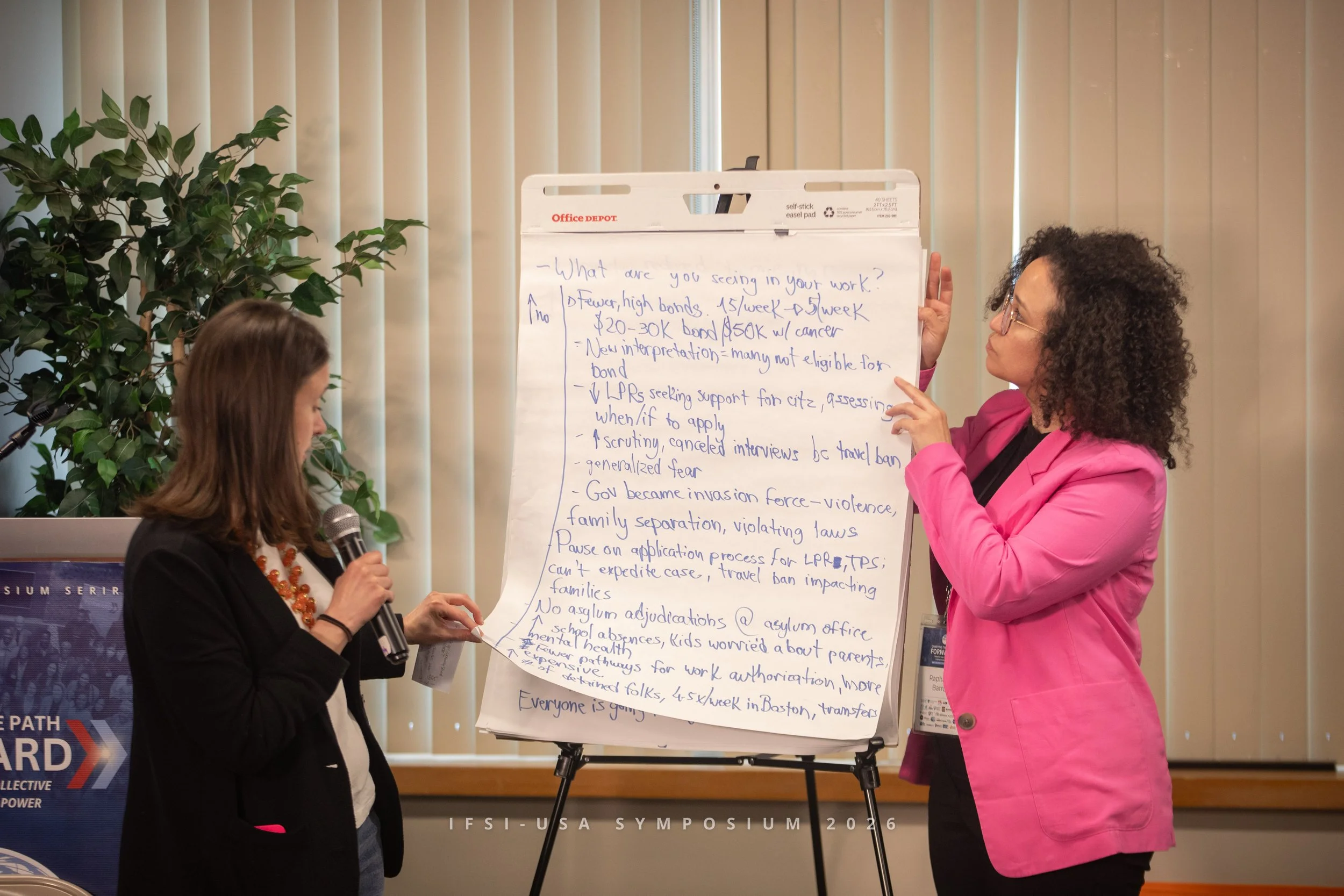
The Legal and Advocacy session, facilitated by Alexandra Peredo Carroll and Raphaela Barros from the Mabel Center for Immigrant Justice, highlighted significant and rapidly evolving challenges within the immigration legal system. Participants described a growing erosion of due process and access to legal protections.
Practitioners reported fewer individuals being granted bond, alongside sharply increased bond amounts often reaching $20,000 to $50,000 and new policy interpretations rendering many ineligible altogether. There has also been a decline in lawful permanent residents applying for citizenship due to fear, increased scrutiny, and canceled interviews linked to travel restrictions.
Participants described a system under strain, with stalled asylum adjudications, delayed applications for legal status, and increasingly limited and costly pathways to work authorization. Reports of unlawful arrests, rising detention rates, and family separation contribute to a climate of fear and instability. Judges are often unable to act decisively, and participants expressed concern about weakened institutional checks and balances. These challenges have profound community impacts, including increased school absences among children worried about their families, as well as rising exploitation through notario fraud. Looking ahead, participants warned of worsening conditions without intervention, though many emphasized that public awareness, advocacy, and collective action could shift the trajectory.
Key strategies discussed included strengthening coordination across legal and advocacy organizations, expanding mutual aid and community support networks, investing in litigation efforts, and improving digital and organizational infrastructure. Despite the challenges, participants expressed hope rooted in solidarity, growing volunteer engagement, and cross-sector collaboration.
Youth Education
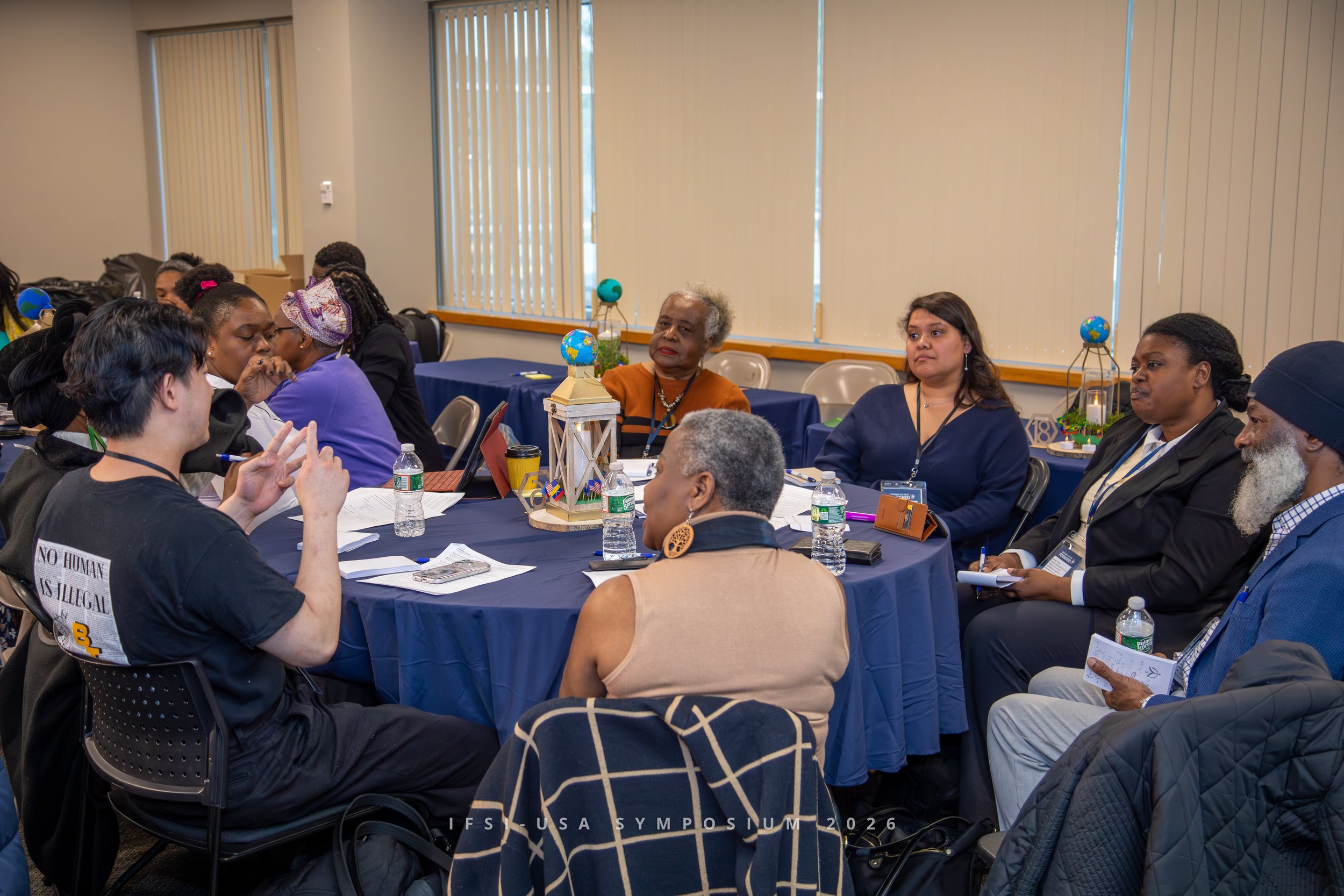
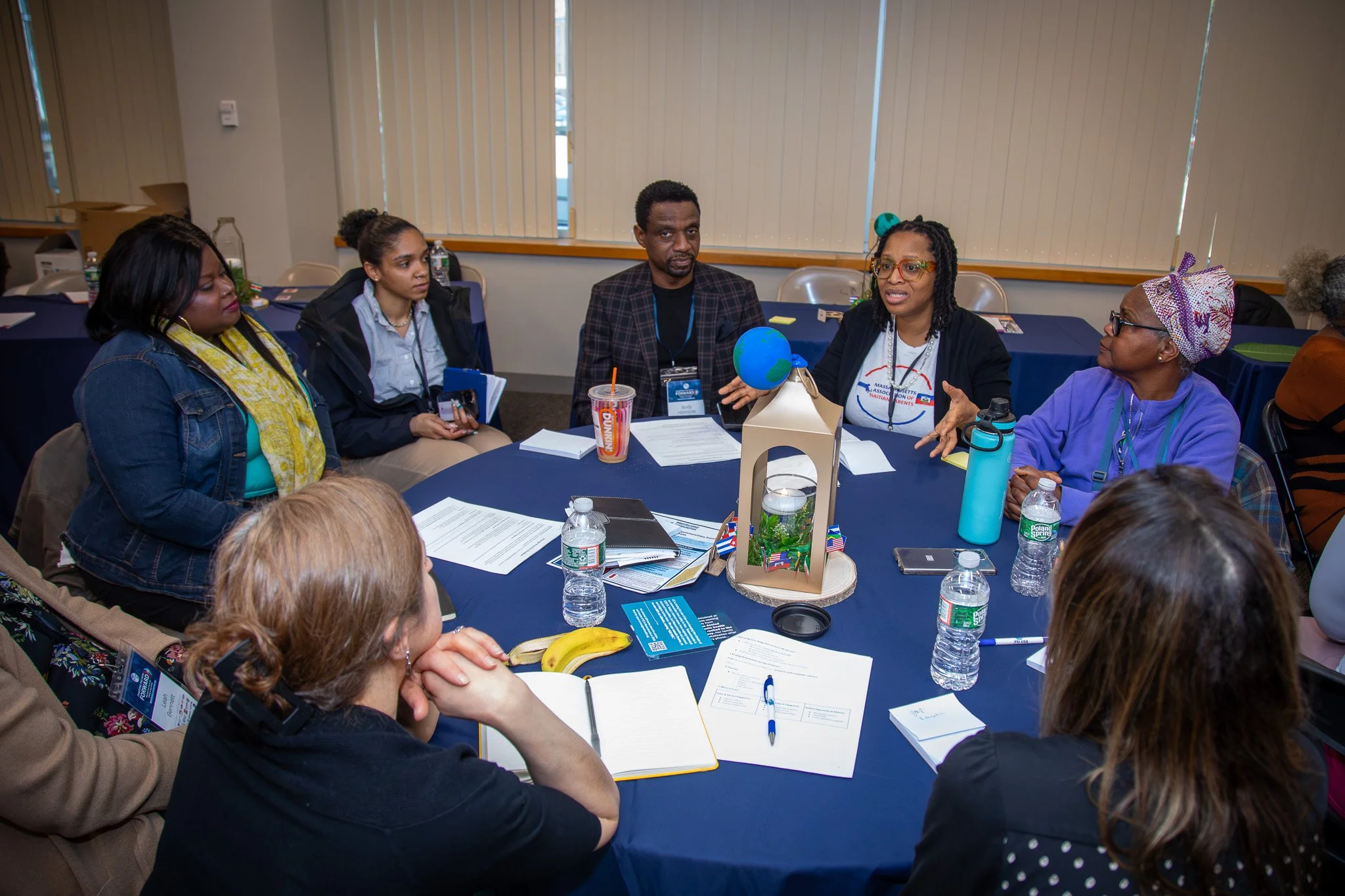
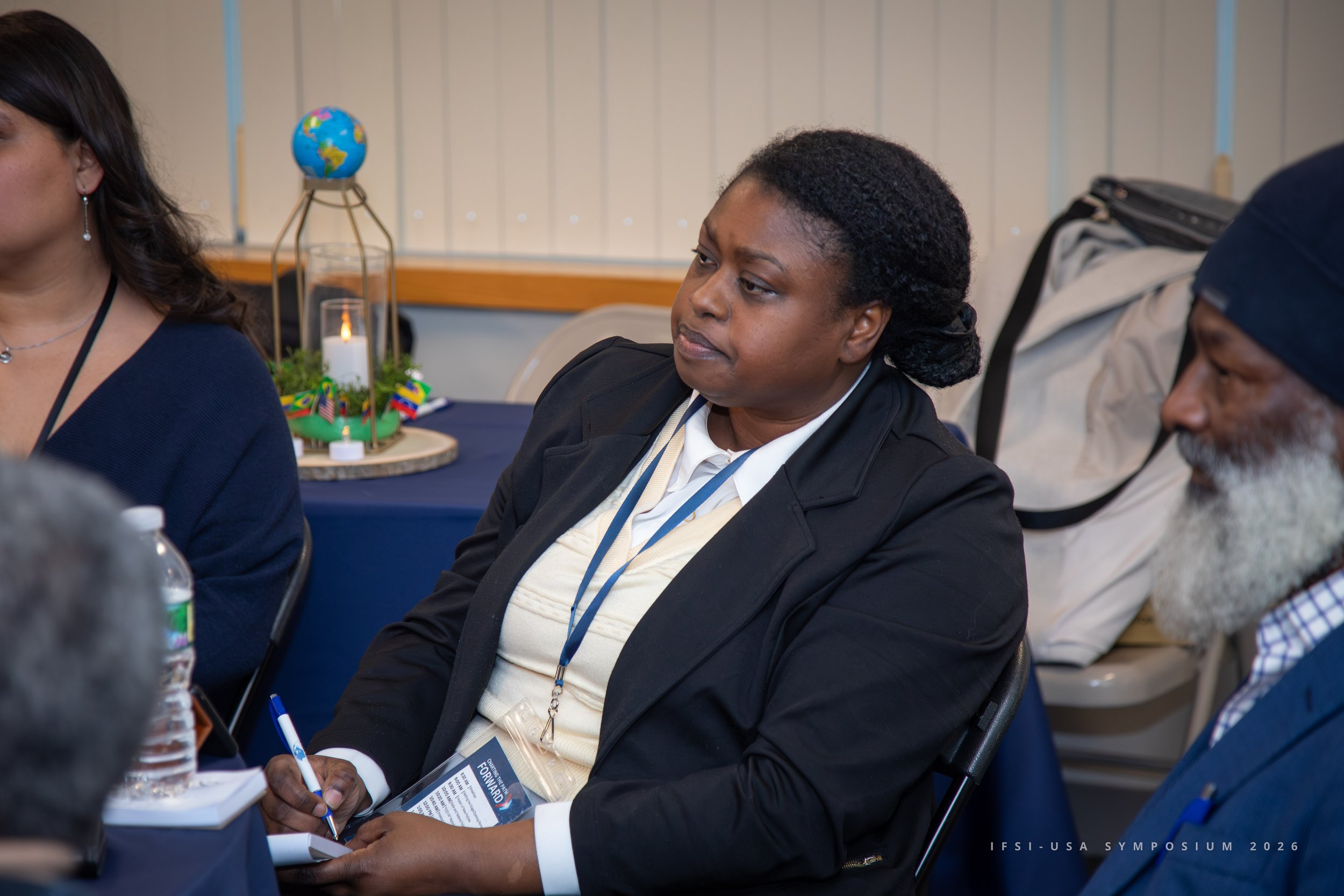
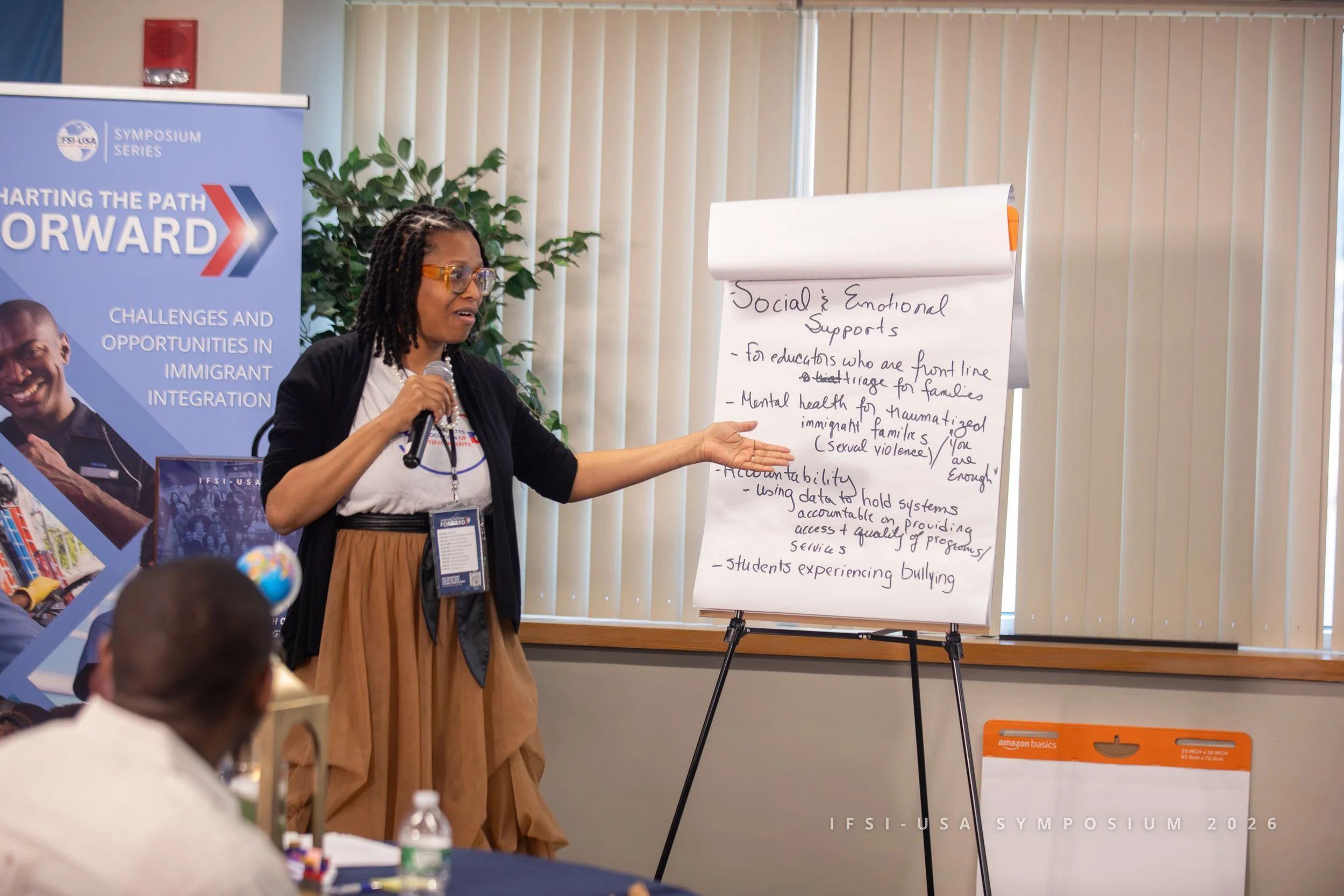
Dr. Regine Philippeaux of Dessalines STEAM Academy and Reverend Daphne Germain-LaRoche of Massachusetts Association of Haitian Parents facilitated the breakout session for Youth Education. Grounded in direct classroom and community experience, participants highlighted both the urgency of current challenges and the need for more coordinated, culturally responsive supports. A central theme of the discussion was the growing need for social and emotional support for students and families. Educators described their role as “front-line triage”, often serving as the first point of contact for students experiencing trauma related to migration, instability, or exposure to violence, including sexual violence.
Participants emphasized that many immigrant students carry significant emotional burdens that impact their ability to learn and engage. Schools, therefore, must be equipped not only with academic resources but also with culturally competent mental health supports that affirm students’ dignity and reinforce messages such as “you are enough.”
Participants also raised concerns about accountability within education systems, particularly in ensuring equitable access to high-quality programs and services. There was a strong call to use data more effectively to identify gaps, track outcomes, and hold systems accountable for serving immigrant students. Bullying especially targeting immigrant and multilingual students was identified as an ongoing issue, underscoring the need for stronger monitoring, intervention, and prevention strategies within schools. The question of belonging emerged as a critical focus. Participants reflected on how schools can intentionally create environments where immigrant students feel safe, included, and valued. This includes not only classroom practices but also broader school culture, peer relationships, and representation among staff.
Youth Education
Family engagement was another key area of concern. Many undocumented families are hesitant to engage with schools due to fear and uncertainty, which can limit their access to important resources and support systems. Participants discussed the important role that community-based organizations (CBOs) can play as trusted intermediaries, helping bridge communication between schools and families. Improving the quality and availability of interpretation services was also identified as a practical and necessary step to empower families to participate more fully in their children’s education. At the same time, participants emphasized the need for continued advocacy to ensure that immigrant families are protected and supported within educational systems. Educators themselves also require additional support. Participants highlighted the importance of teacher development and retention, particularly for educators from immigrant communities. This includes providing accessible pathways to licensure, such as support for passing the Massachusetts Tests for Educator Licensure (MTEL), as well as ongoing training and professional development. Retaining Haitian teachers and paraprofessionals was identified as a specific priority, given their critical role in supporting Haitian students and families.
Finally, participants emphasized the need to strengthen collaboration among community-based organizations, particularly those led by and serving Haitian communities. There was a call to better leverage the successes of existing organizations, improve communication across groups, and foster a culture of mutual support “showing up for each other” to maximize collective impact. Overall, the discussion underscored that addressing the needs of immigrant students requires a holistic, community-centered approach one that integrates social-emotional supports, strengthens family engagement, invests in educators, and builds stronger partnerships across schools and community organizations. Participants expressed a shared commitment to advancing these efforts and ensuring that all students have the opportunity to learn, belong, and thrive.
Mental Health
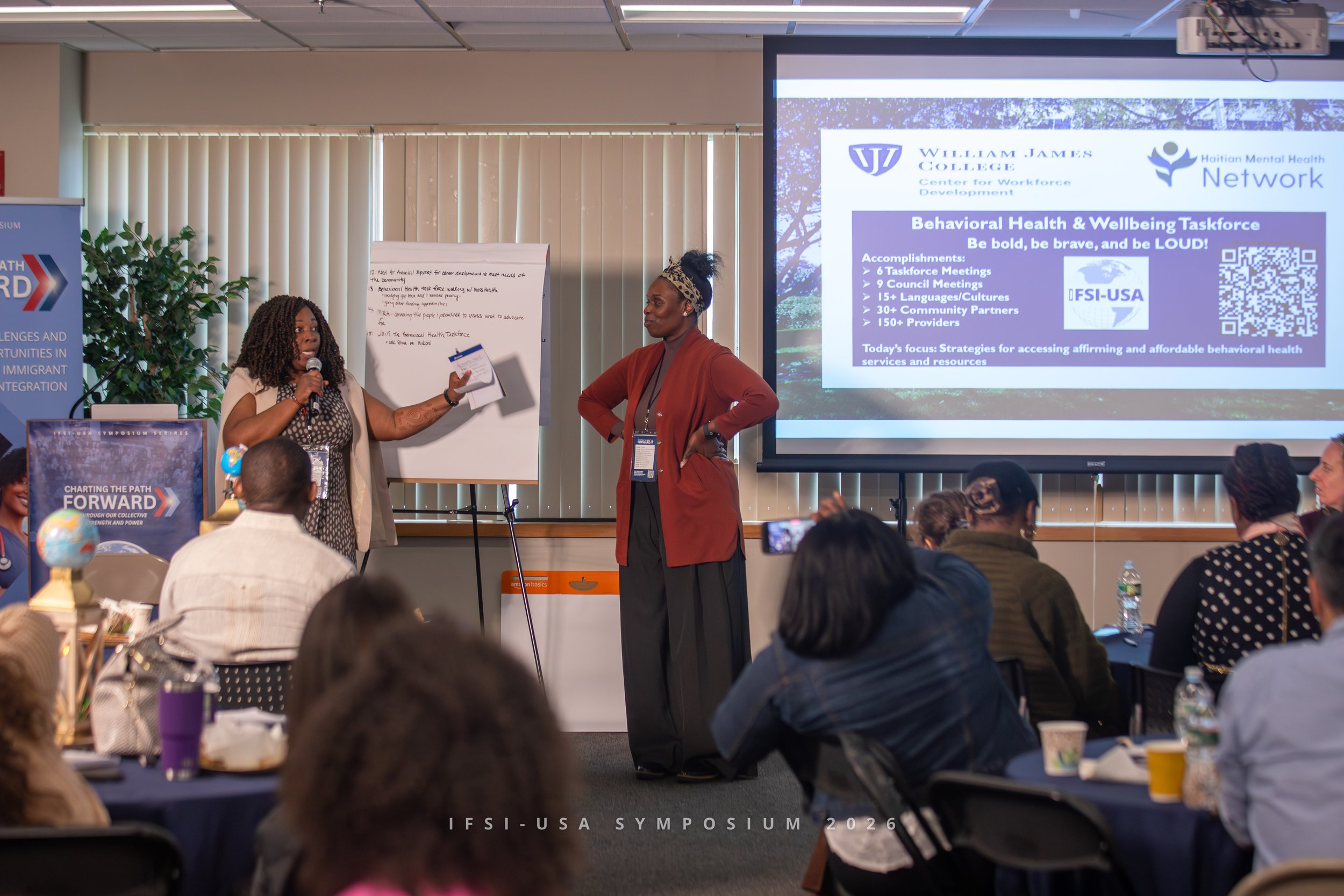
The Mental Health session was facilitated by the Haitian Mental Health Network featuring Gina Dessources Benjamin, Dr. Carlot Celestin, and Dr. Scune Carrington in collaboration with SaveSouls, featuring Patricia Désert, Obelle Pluviose, Mitsuka Noël, and Woomendy Emil. The discussion underscored the urgent need for culturally responsive, community-based mental health services.
A central theme of the session was the importance of strategic partnerships across systems. Participants emphasized the need for stronger collaboration between schools, community-based organizations, and public agencies. For example, Boston Public Schools social workers were identified as key frontline connectors who require better access to community-based mental health resources. Similarly, agencies such as the Department of Transitional Assistance (DTA) and housing offices play a critical role in stabilizing families, particularly those with children, through financial assistance, SNAP benefits, and housing support. Ensuring that families are connected to these resources is an essential component of supporting mental health and overall wellbeing. Participants also highlighted the importance of bringing services into trusted community spaces. Churches, schools, and community organizations were identified as vital entry points for mental health outreach and care. By fostering partnerships with faith-based institutions and local organizations, providers can reduce stigma and increase access to culturally relevant services. Creative approaches such as partnering with artists and cultural leaders to deliver psychoeducation were also discussed as effective ways to engage community members in conversations about mental health.
The need for proactive, community-based outreach was another key takeaway. While some city-led outreach efforts are underway, participants emphasized that more direct engagement is needed to assess family needs and connect individuals to appropriate services. This includes leveraging the full continuum of behavioral health care from early intervention and prevention to more intensive clinical services. Equally important is the need to rebuild and strengthen community connections. Participants noted that creating spaces centered on food, music, and cultural expression can play a powerful role in supporting mental health by fostering belonging and reducing isolation. These community centered approaches are particularly important for immigrant families navigating trauma, displacement, and systemic barriers.
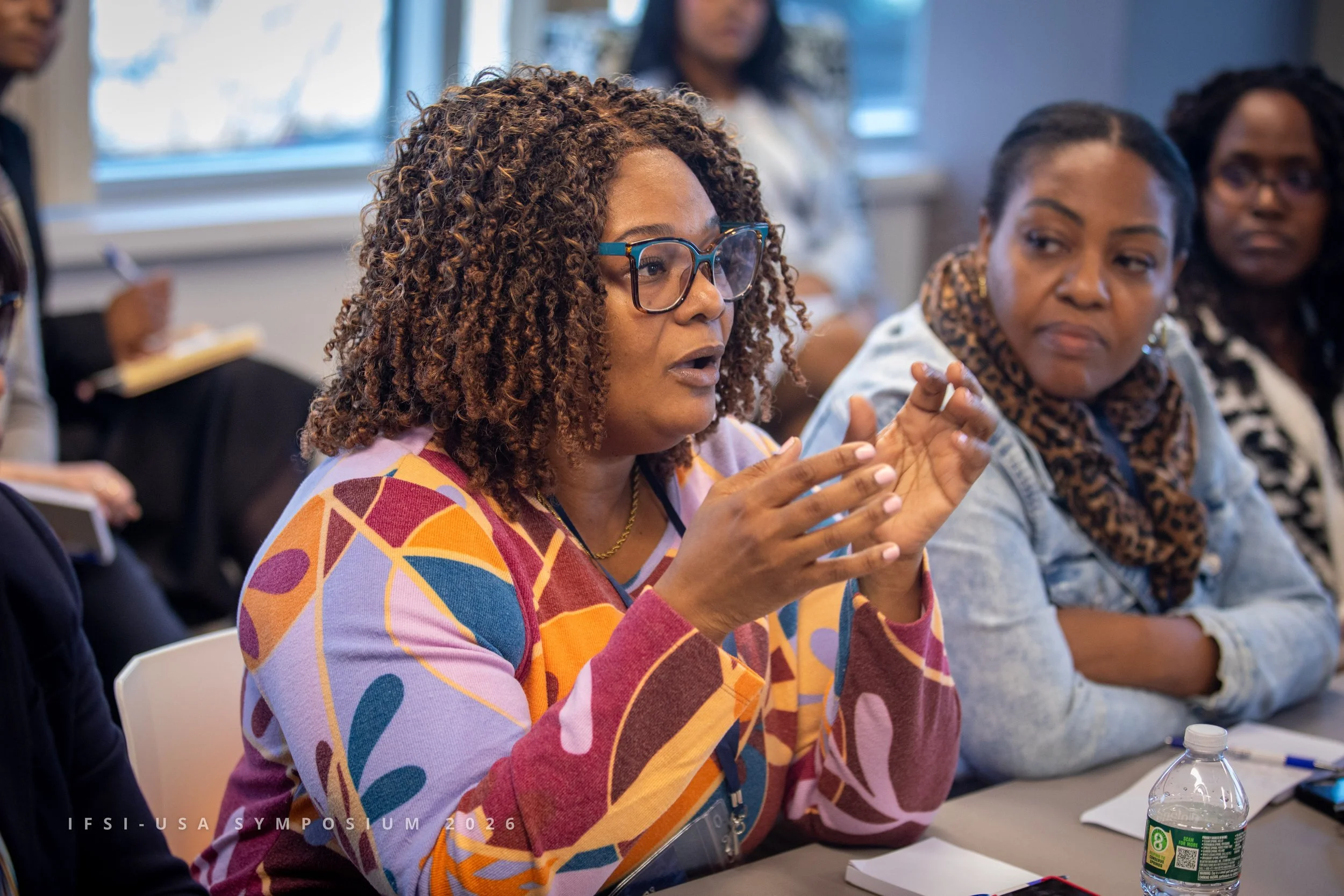
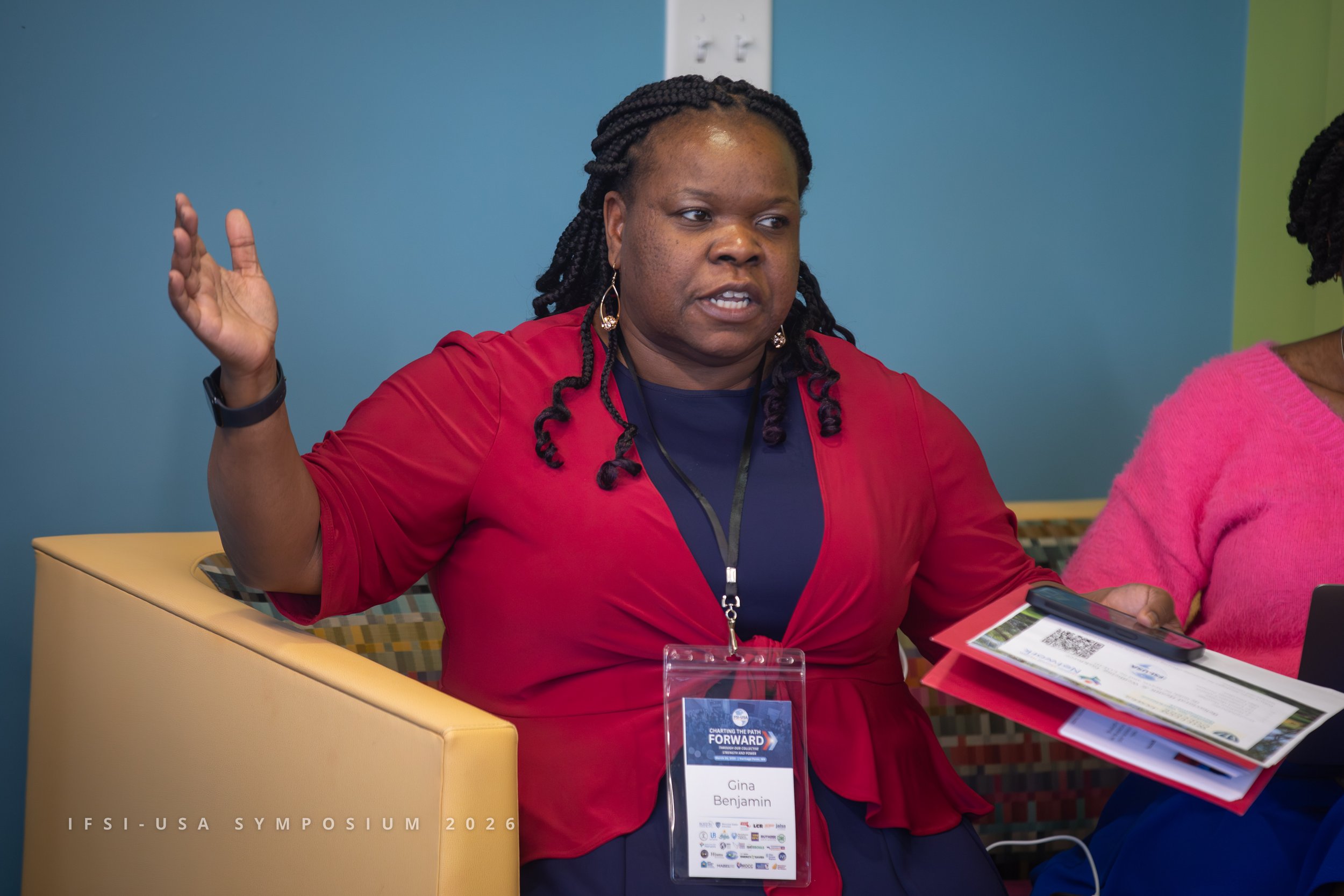
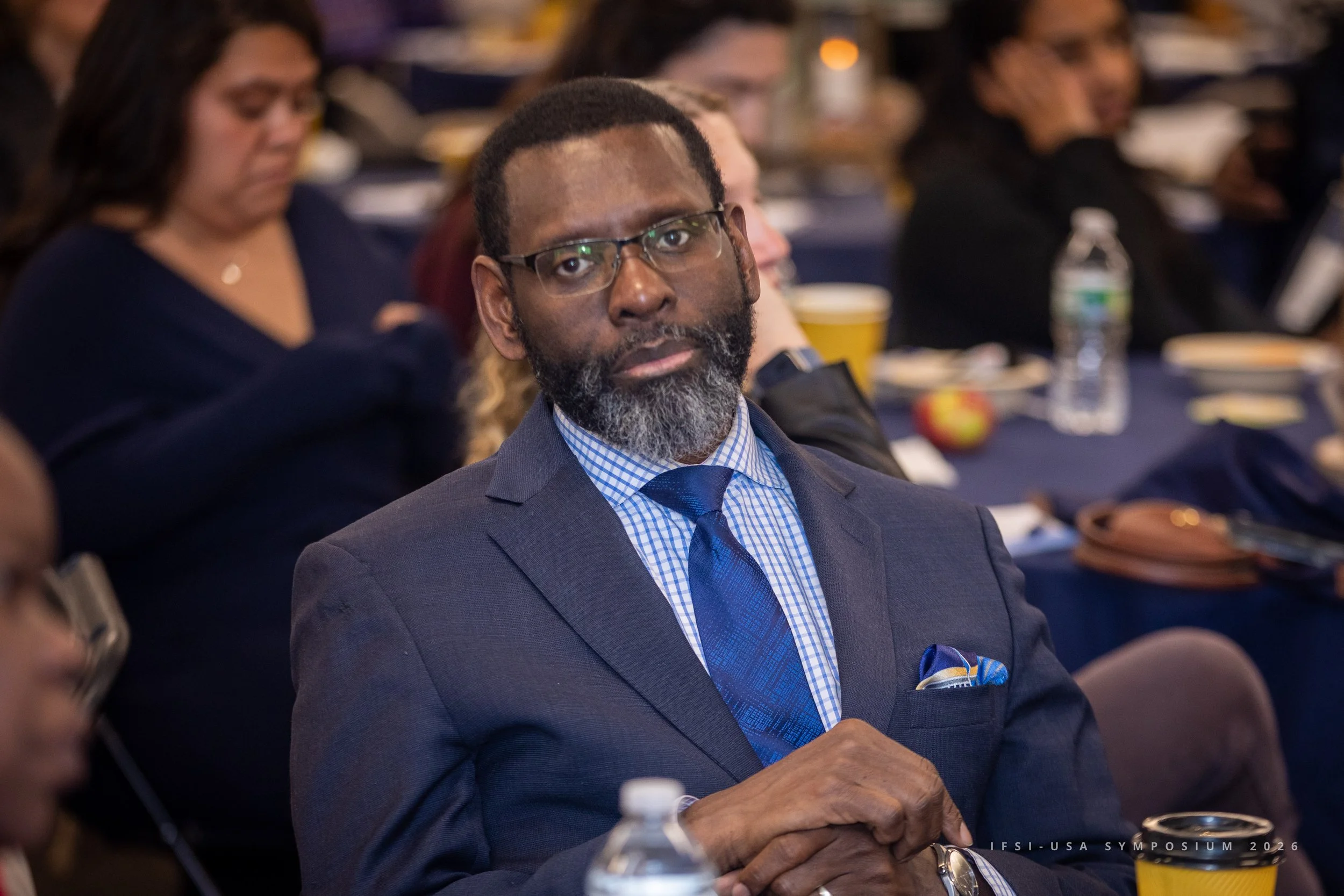
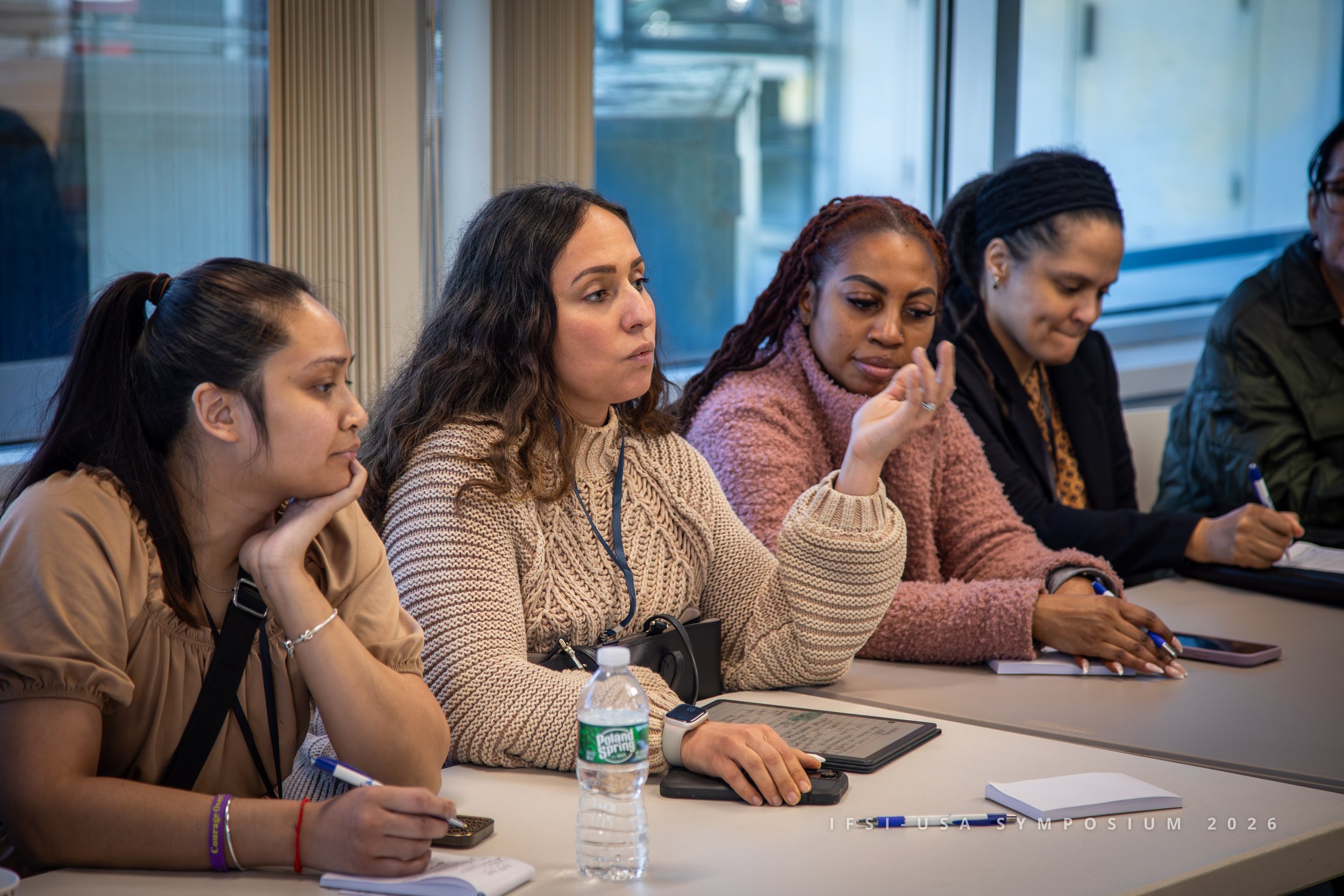
Mental Health
The session also underscored the importance of supporting providers themselves, many of whom are navigating secondary trauma while serving high-need communities. Expanding opportunities for professional support, training, and career development particularly for providers from Haitian and immigrant backgrounds was identified as essential to building a sustainable and culturally competent workforce.
System-level challenges remain a significant barrier to care. Participants discussed the need for stronger advocacy and policy alignment, particularly related to insurance access and reimbursement. Gaps between community need and insurance paneling continue to limit access to care, highlighting the importance of partnerships with MassHealth, commercial insurers, and ongoing efforts such as the state’s Behavioral Health Task Force. Organizations such as MIRA (Massachusetts Immigrant and Refugee Advocacy Coalition) were recognized for their role in convening stakeholders and shaping advocacy priorities. Finally, participants emphasized the importance of continued collaboration and collective action. There was a strong call to deepen engagement with existing initiatives such as the Haitian Mental Health Network and broader behavioral health coalitions and to actively pursue funding opportunities that can expand services and strengthen partnerships.
Overall, the session reinforced that addressing mental health in immigrant communities requires a holistic, culturally grounded approach one that integrates direct services, community engagement, provider support, and systems-level advocacy. The Haitian Mental Health Network stands as a powerful example of how community-driven collaboration can emerge from convenings like the IFSI Symposium and evolve into sustained efforts to advance equity, access, and healing.
Faith-Based, Philanthropic Social Services
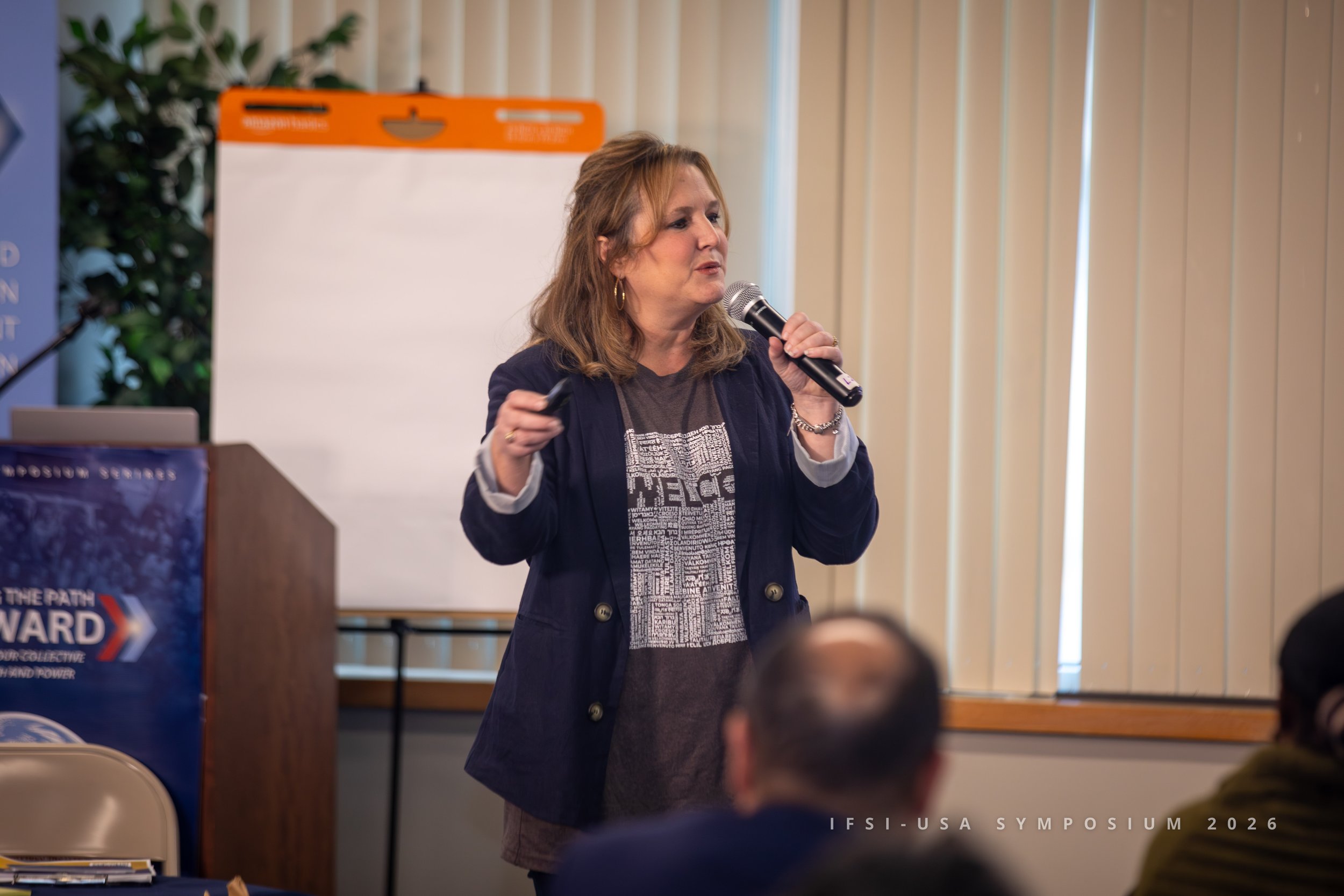
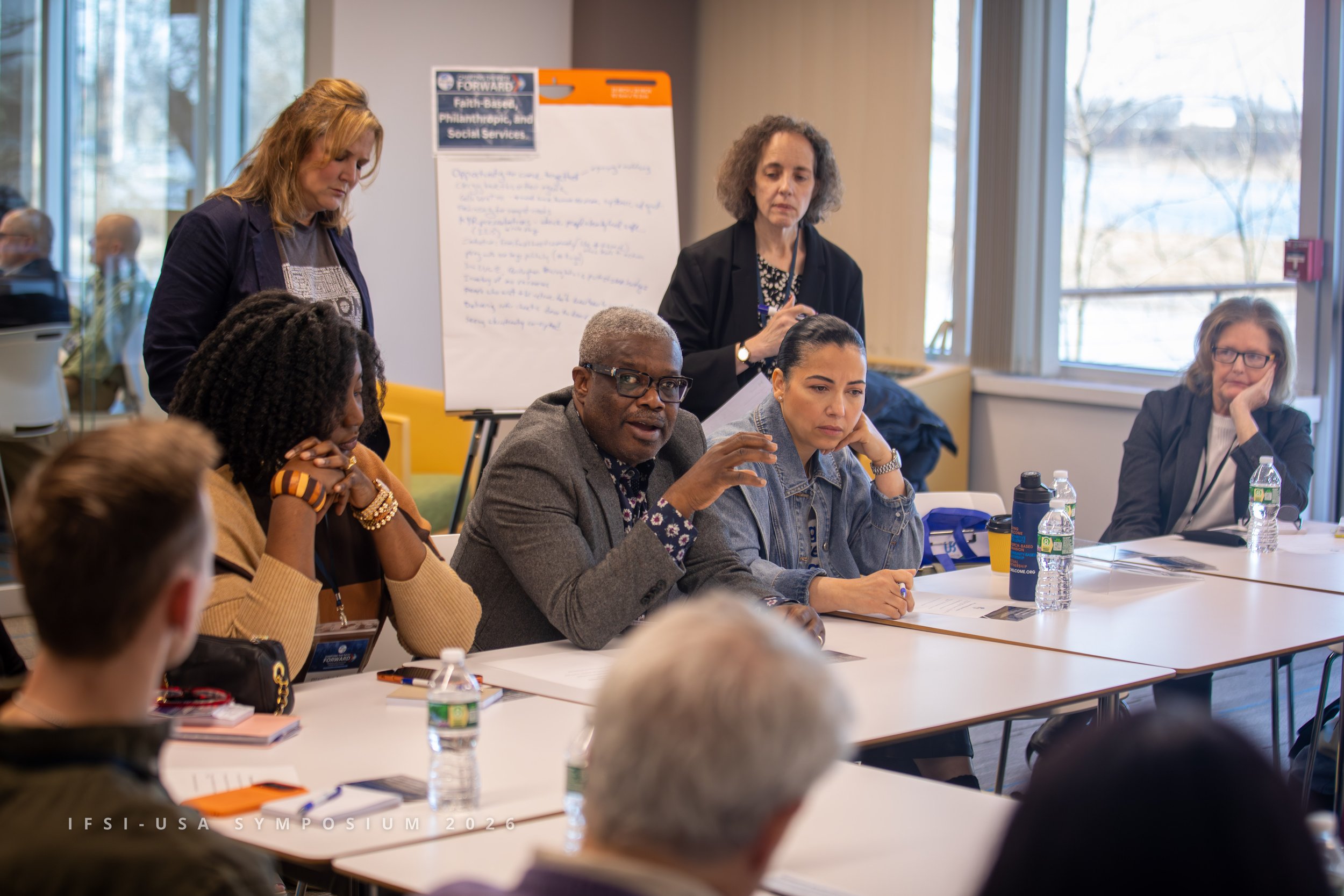
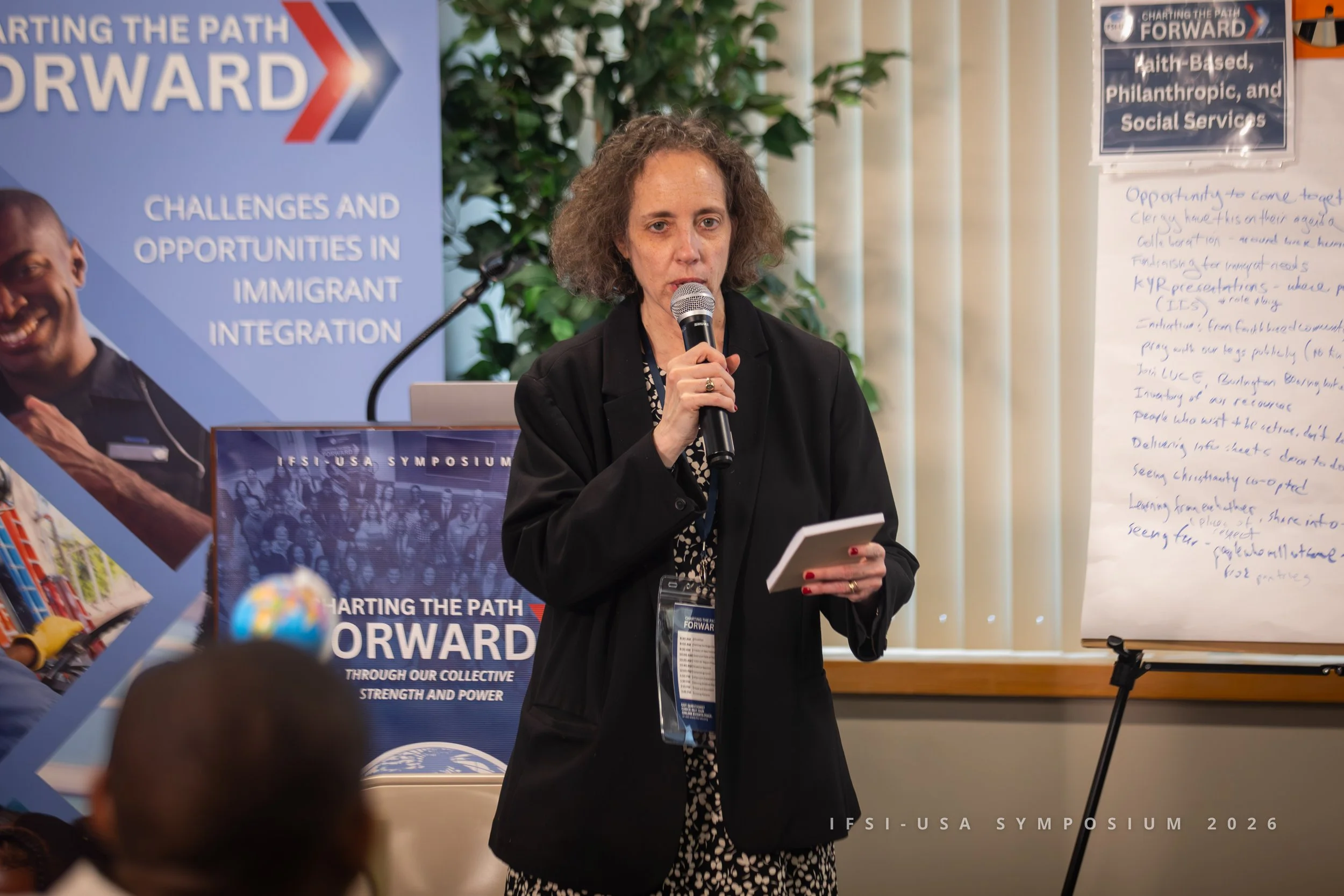
This session was facilitated by Melinda Priest from Immigration Connection at Awaken City and Cindy Rowe from the Jewish Alliance for Law and Social Action.
A central theme of the discussion was the growing opportunity and responsibility to organize and mobilize collectively. Faith leaders noted that supporting immigrant communities has become an increasingly prominent priority within their ministries, with clergy actively engaging their congregations in advocacy, accompaniment, and direct service. Participants highlighted the importance of collaboration not only within the nonprofit sector, but also in partnership with government systems to ensure access to basic human services and to address systemic barriers. There was also strong recognition of the need for greater coordination and shared infrastructure. Many participants acknowledged that while significant resources exist across faith communities, philanthropy, and social services these resources are often siloed, and individuals working within the sector do not always know how to connect with one another effectively. Ideas such as creating a shared “dashboard” or resource inventory emerged as promising strategies to better align efforts, facilitate referrals, and translate information into action. Models of collaboration, including interfaith networks and coordinated service platforms, were identified as ways to deliver services more efficiently and equitably, particularly in the face of potential federal funding cuts.
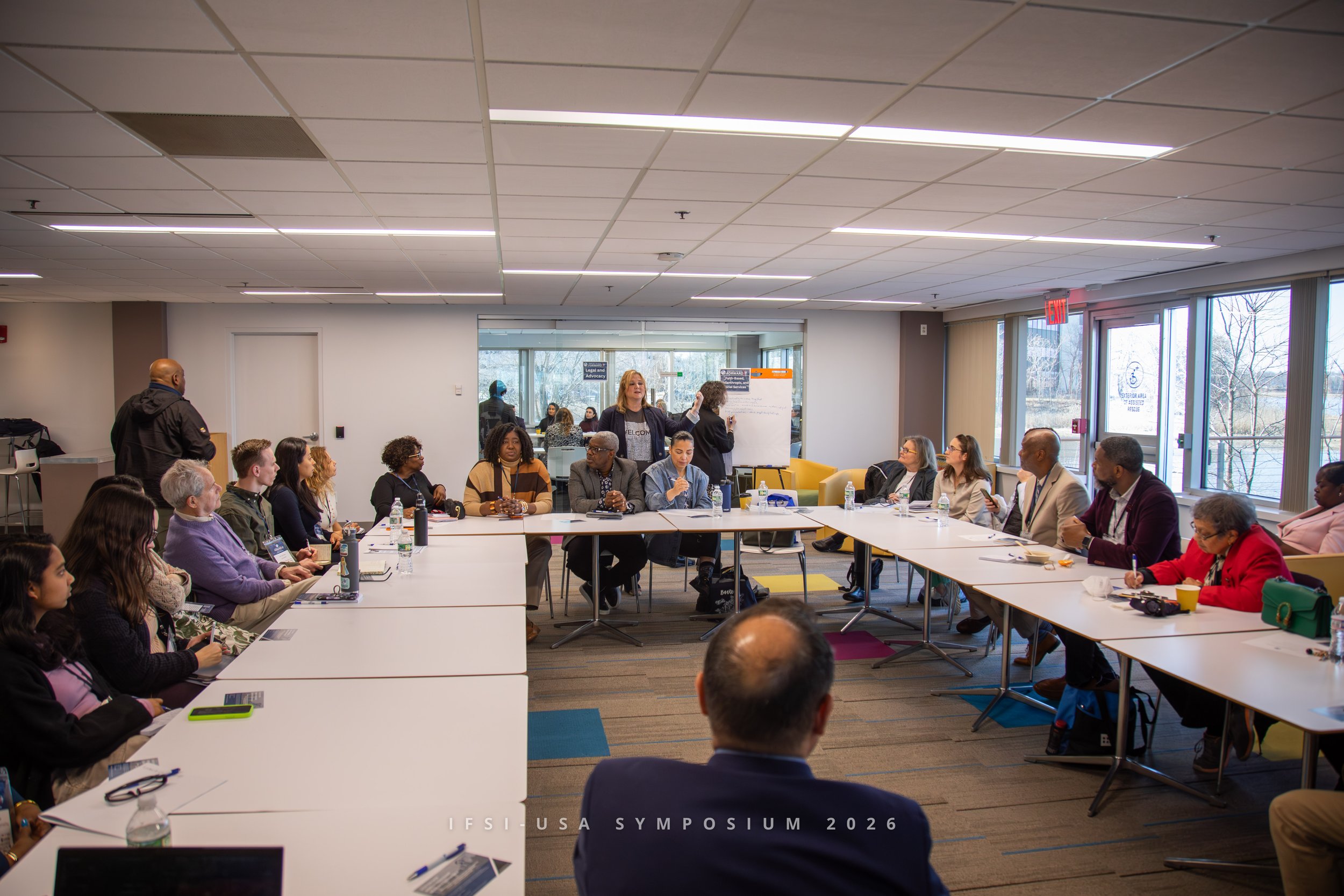
Participants also emphasized the importance of meeting people where they are and creating safe, trusted spaces. Initiatives such as Know Your Rights (KYR) presentations, delivered in environments where individuals feel secure, were highlighted as critical tools for education and empowerment. Faith communities, in particular, were seen as essential hubs for this work, offering both physical space and relational trust. Creative outreach strategies—including door-to-door information sharing and partnerships with community based organizations were discussed as ways to ensure that accurate information reaches those who may otherwise remain disconnected from services.
Faith-Based, Philanthropic Social Services
At the same time, participants acknowledged deeper challenges related to trust, fear, and misinformation. Some noted concerns about the politicization or co-opting of faith traditions, underscoring the need to ground this work in values of compassion, dignity, and justice. Ensuring that individuals can access services without fear particularly in a climate of heightened immigration enforcement was identified as a critical priority. Participants also highlighted the importance of helping philanthropic institutions understand that attacks on immigrant communities have broad and far reaching implications for society as a whole.
The discussion extended beyond immediate needs to address longer-term systemic issues, including the need for comprehensive immigration reform rather than temporary or “band-aid” solutions. Participants also reflected on the importance of “relational equity” building genuine, trust-based relationships across communities as a foundation for sustainable change. Housing instability and gentrification were identified as shared challenges affecting both immigrant and non-immigrant communities, reinforcing the idea that “we are all in the same boat” and must work together to create more equitable and stable communities.
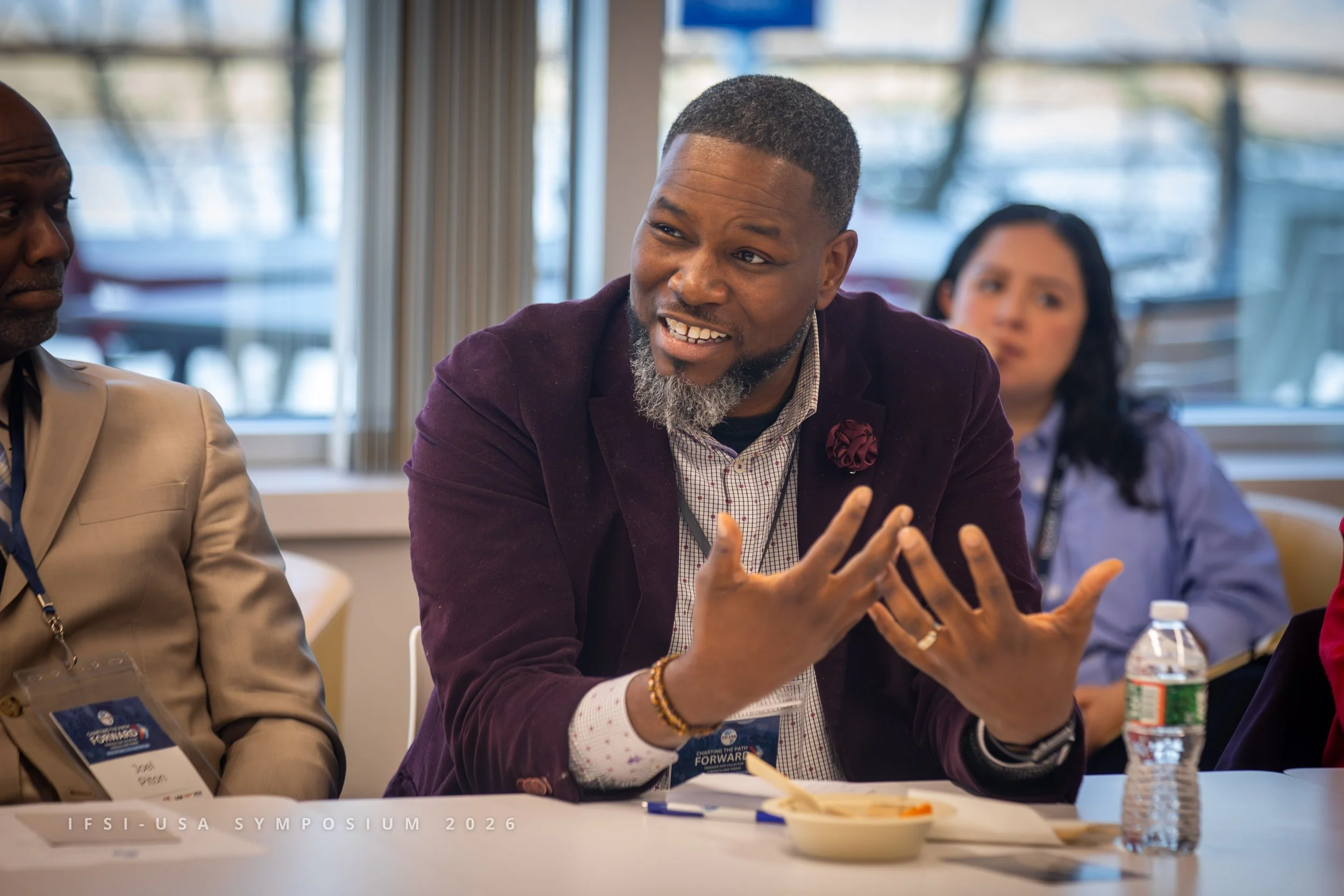
Looking ahead, participants envisioned a future rooted in abundance, creativity, and collective power. There was a call to shift from a reactive, defensive posture to a more proactive and hopeful vision one that emphasizes empowerment, shared responsibility, and coordinated action. This includes creating spaces for family mental health and emotional healing, strengthening interfaith and cross-sector networks, and building systems that allow for shared resources, staffing, and knowledge.
Ultimately, the session was grounded in a strong sense of hope for the sector. Participants named a vision centered on dignity, connection, trust, and mutual support. They emphasized the importance of educating the broader public, expanding access to citizenship and Know Your Rights resources, and investing in the next generation. At its core, the conversation reflected a commitment to a “ministry of presence” showing up consistently, compassionately, and collectively to support immigrant families and build stronger, more inclusive communities.
Workforce Development & ESOL
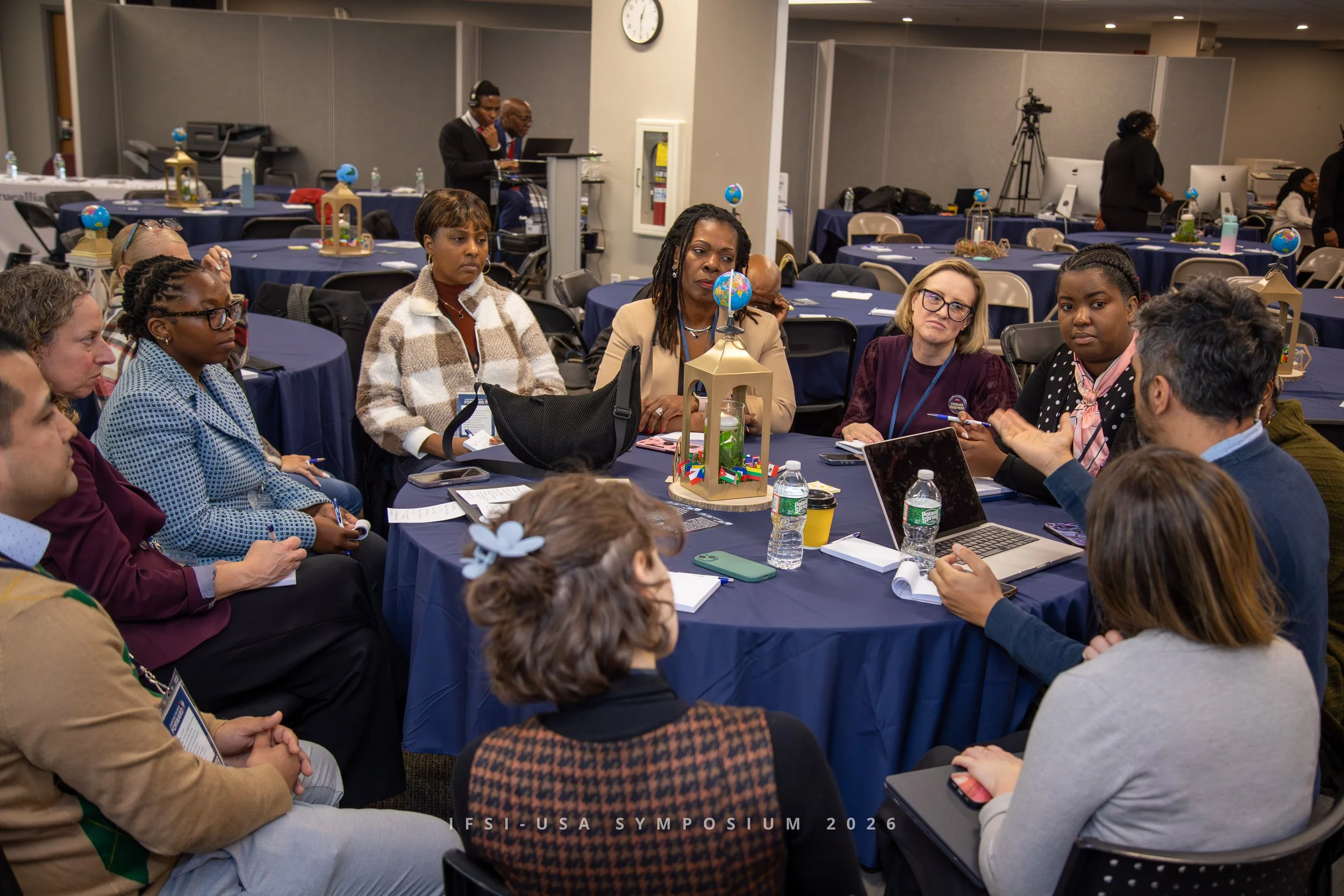
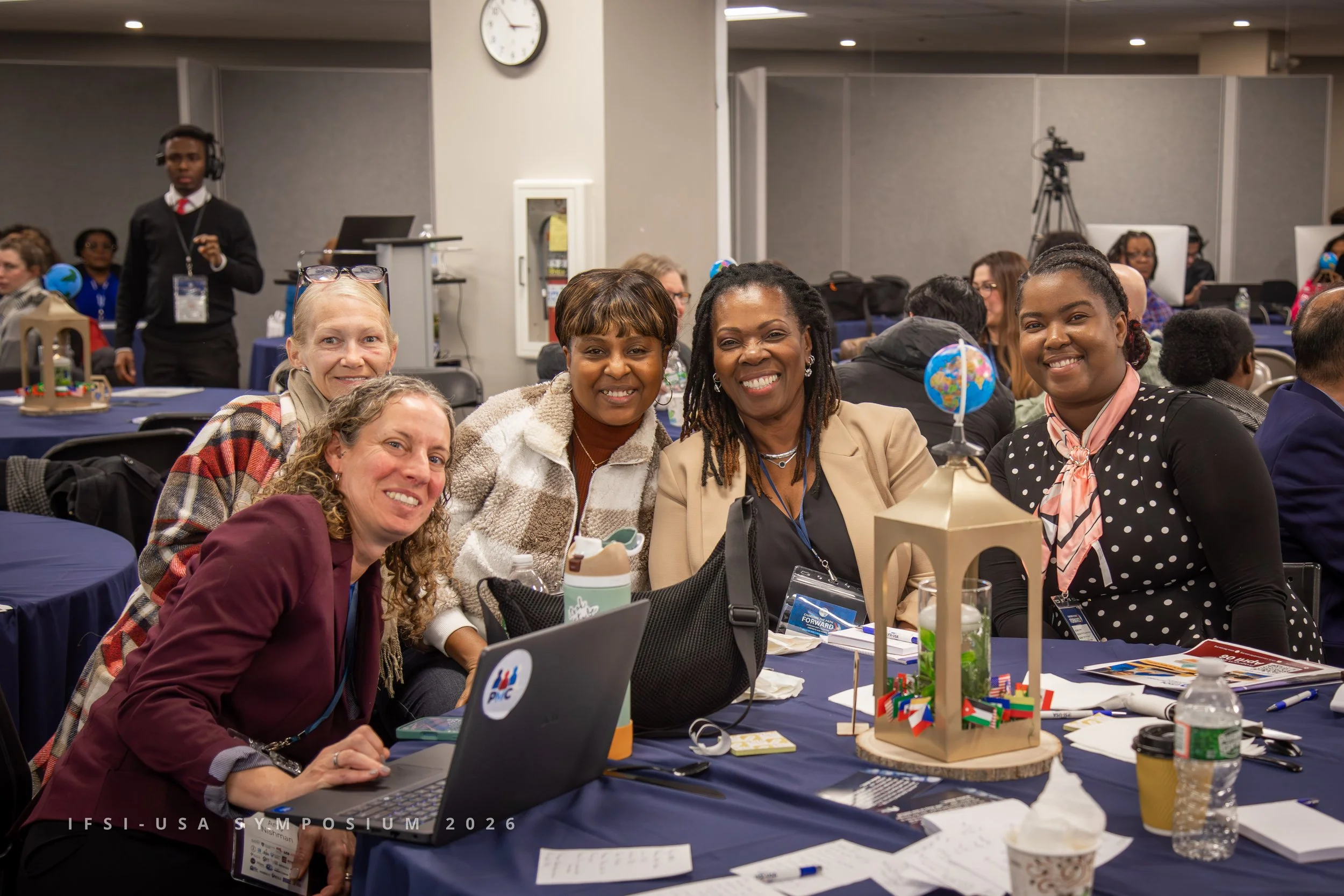
The Workforce Development and ESOL session was facilitated by Amy Nishman from Jewish Vocational Service, along with Lenita Reason and Lorrayne Reiter from the Brazilian Worker Center. Participants shared frontline perspectives on the barriers individuals face in accessing employment, building skills, and achieving long-term economic stability. Across the discussion, there was strong consensus that current systems are not keeping pace with the realities immigrant communities are navigating. Participants identified a range of employment barriers that are becoming increasingly difficult to overcome. Employers are often hesitant to hire individuals whose work authorization may be temporary or nearing expiration, and in some cases, are unwilling to accept valid work authorization documents at all. At the same time, expectations for entry-level roles are rising, with greater demands for English proficiency and digital literacy.
The shift toward online hiring processes—including AI-driven screening and virtual interviews has further limited access for individuals with lower digital skills or limited familiarity with these systems. For learners with low literacy levels, these barriers are even more pronounced, significantly narrowing pathways into the workforce. These challenges are compounded by system and policy barriers. Participants noted that some individuals pursuing career pathways, such as Certified Nursing Assistant (CNA) training, are unable to sit for required state exams due to lack of state-issued identification. In response, some are relocating to other states with fewer restrictions, disrupting continuity in training and employment.
There is also a disconnect between workforce systems and immigrant communities, with ESOL programs not always aligned with the language demands of the workplace. Additionally, policies within public assistance systems such as pressure from the Department of Transitional Assistance (DTA) to move quickly into employment can push individuals into jobs before they are fully prepared, limiting long-term advancement. Beyond workforce-specific challenges, participants emphasized the profound impact of life instability on student success. Many learners face housing insecurity, including frequent relocation and overcrowded living conditions. Rising rents and stagnant wages further strain already limited resources.
Workforce Development & ESOL
A lack of affordable childcare particularly during evening hours creates additional barriers to participation in training programs. Health-related challenges also emerged, including limited access to primary care providers needed for employment-related physicals and frequent hospitalizations that disrupt attendance and program continuity.
The conversation also highlighted growing concerns related to mental health and well-being. Participants reported increasing levels of stress and anxiety among students, driven by immigration status, financial hardship, and overall instability. These factors, combined with external concerns such as safety and environmental conditions, have contributed to declining attendance and inconsistent engagement in programs.
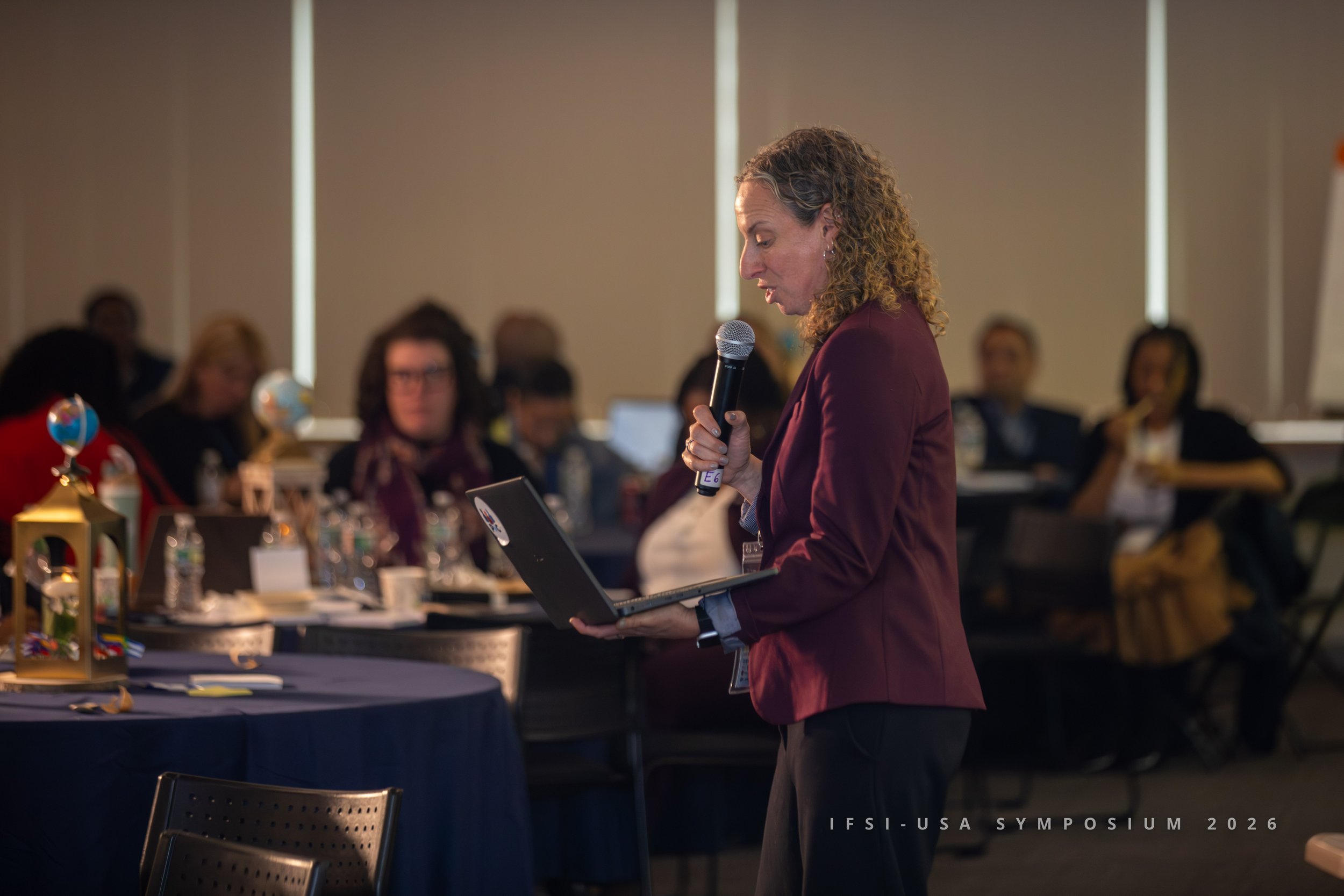
Looking ahead, participants expressed serious concern about the future trajectory if these challenges remain unaddressed. They anticipate rising homelessness, increased community instability, and heightened mental health crises, including the risk of suicide. Economic hardship could contribute to higher rates of crime and vulnerability, while housing constraints may lead to family separation. Some individuals may choose self-deportation due to the cumulative pressures they face. Overall, participants warned of the risk of widespread destabilization across entire communities if systemic barriers persist.
Despite these challenges, the group identified a range of solutions and opportunities for action. Programmatically, there is a need to design more flexible and responsive services, including evening and accessible childcare, accelerated career training pathways, and centralized entry points for workforce services. Integrating ESOL instruction with job training through dual-language or contextualized learning models was identified as a critical strategy to better align language acquisition with workforce demands. At the systems level, participants emphasized the importance of policy advocacy.
This includes pushing for expanded access to state identification, addressing barriers to professional certification, advocating for fair hiring practices for individuals with work authorization, and advancing policies related to affordable housing and economic stability.
Ultimately, participants expressed a shared vision for a more equitable and inclusive workforce system. This includes stronger alignment between ESOL programs and real-world job requirements, expanded access to meaningful career pathways, and policies that support stability in housing, childcare, and healthcare. Most importantly, there was a call to shift the narrative from viewing immigrant workers as short-term labor to recognizing them as long-term contributors to the economy and the broader community.
Health Care
The Health Care session was led by Kalkidan Antonios-Britton and Sarah Le from Boston Medical Center. During the health care breakout session, participants shared a range of urgent challenges impacting immigrant communities’ ability to access affordable, timely, and appropriate care. Across organizations and roles, there was strong alignment around the growing complexity of the health care landscape and the increasing barriers faced by immigrant families.
Participants noted that many immigrants have recently lost access to comprehensive coverage such as MassHealth or are now limited to MassHealth Limited, significantly narrowing their care options. At the same time, the system itself remains highly complex, making it difficult for individuals and families to understand what coverage they are eligible for or how to navigate enrollment. This complexity is compounded by language barriers, which continue to prevent many from accessing accurate information and care.
Fear and mistrust also emerged as significant barriers. Some individuals avoid seeking care altogether due to concerns about immigration enforcement or a broader distrust of institutions, including hospitals. Even when individuals do attempt to engage with the health care system, they often encounter providers or administrative staff who lack the time, training, or inclination to help them navigate available options. Participants emphasized that this lack of guidance can leave individuals without clear pathways to care. Cultural differences further complicate access. For example, some immigrants may not be familiar with the concept of primary care or may default to emergency room visits for non-urgent issues. While programs like the Health Safety Net (HSN) provide critical coverage for emergency situations, they may fall short in covering non-emergency needs such as medical equipment.
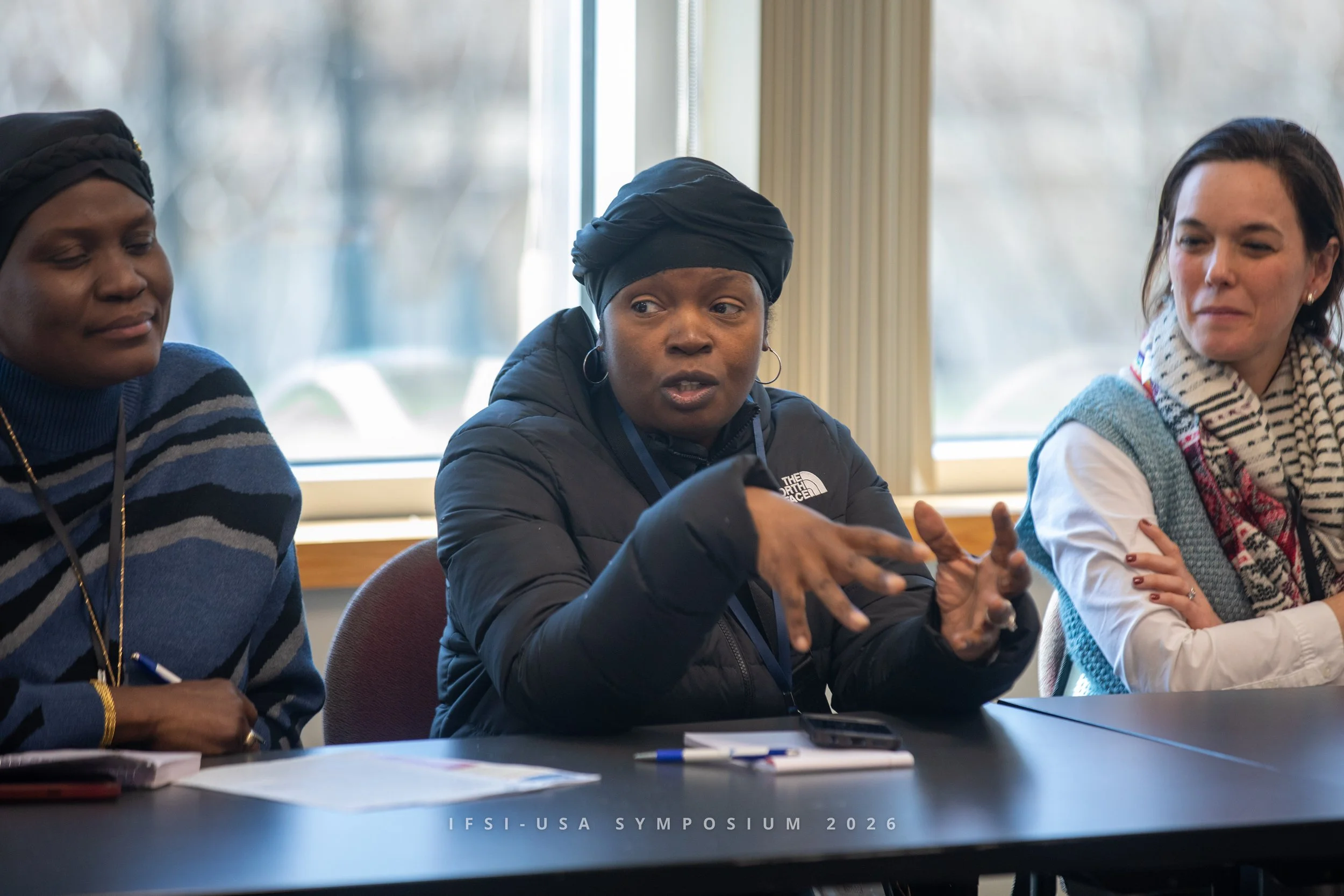
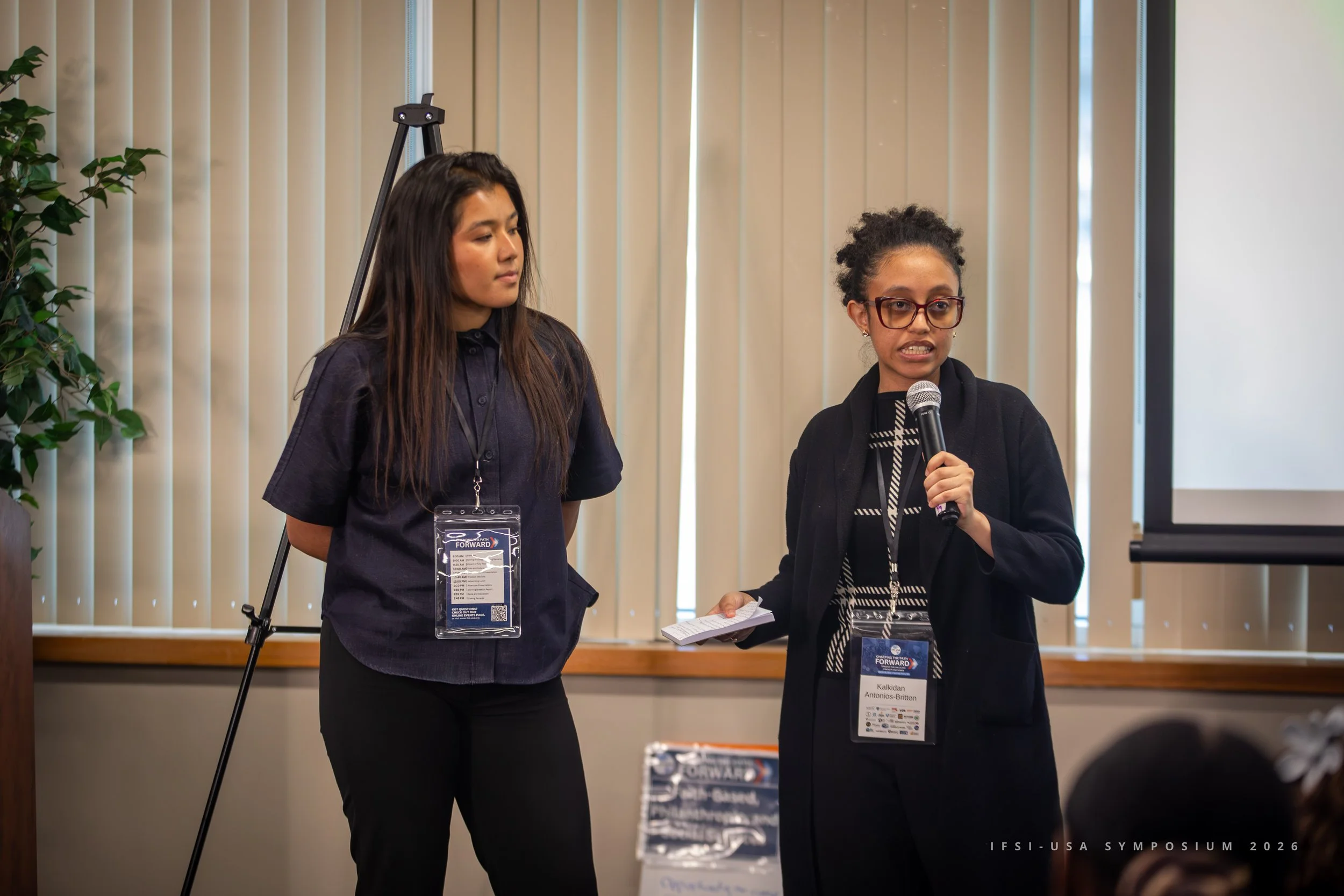
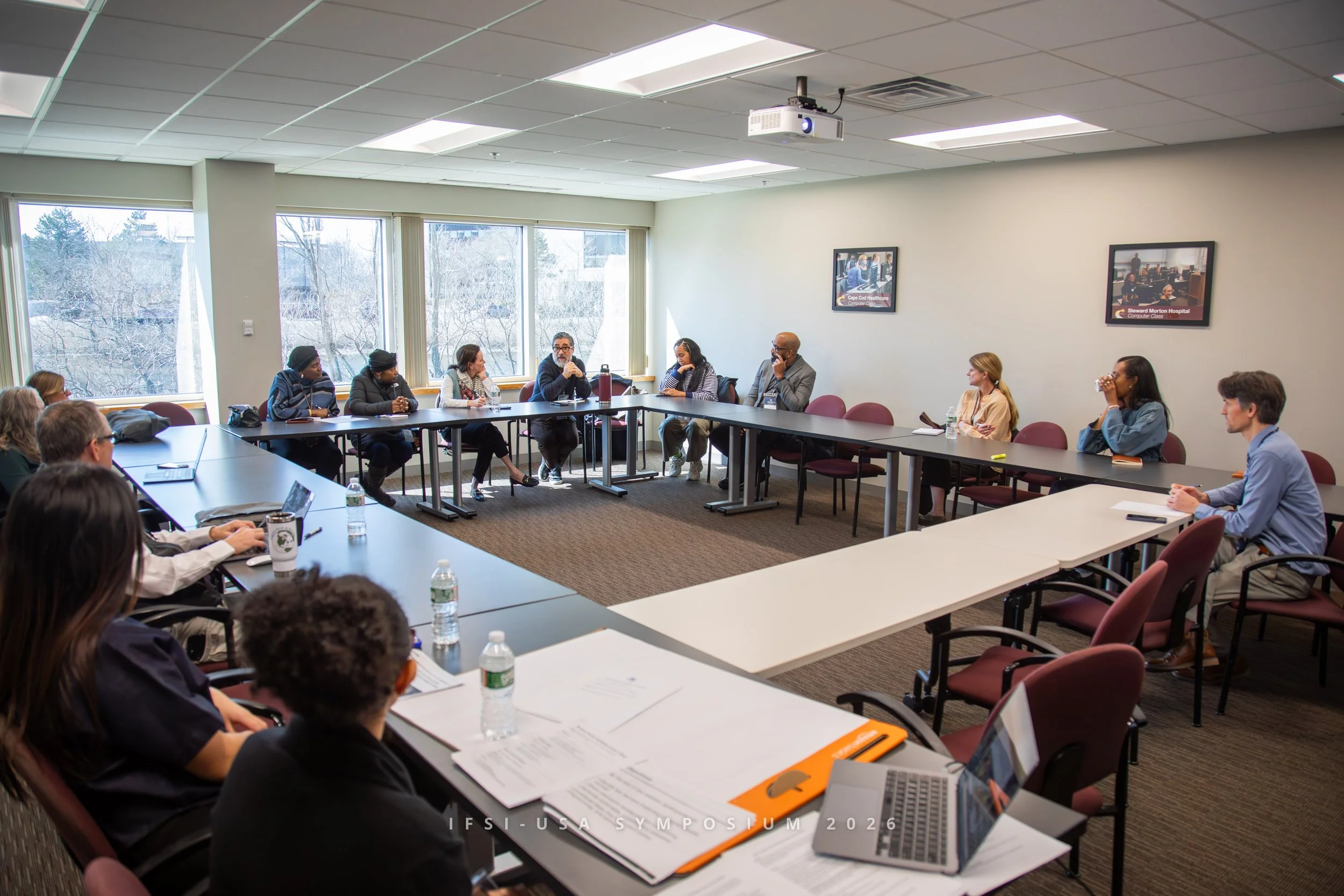
Looking ahead, participants expressed concern that these challenges may intensify. Without policy or systems-level changes, accessing care is likely to become even more difficult for immigrant communities. Potential federal policy changes could result in tens of thousands of individuals losing access to MassHealth or Massachusetts Health Connector coverage, further exacerbating disparities in care. Despite these concerns, the group identified several promising solutions. Expanding the role of health navigators and community health workers was highlighted as a key strategy to help individuals understand their options and successfully access care. Participants also emphasized the importance of community-driven approaches, noting that institutions such as Boston Medical Center can play a critical role by continuing to engage directly with communities to design responsive solutions.
Additional ideas included exploring new insurance models, such as a Boston-based insurance plan, and identifying ways to increase access to private insurance options, particularly by strengthening individuals’ bargaining power within the insurance marketplace. Participants also stressed the importance of upstream interventions addressing health needs early to prevent more serious and costly conditions over time.
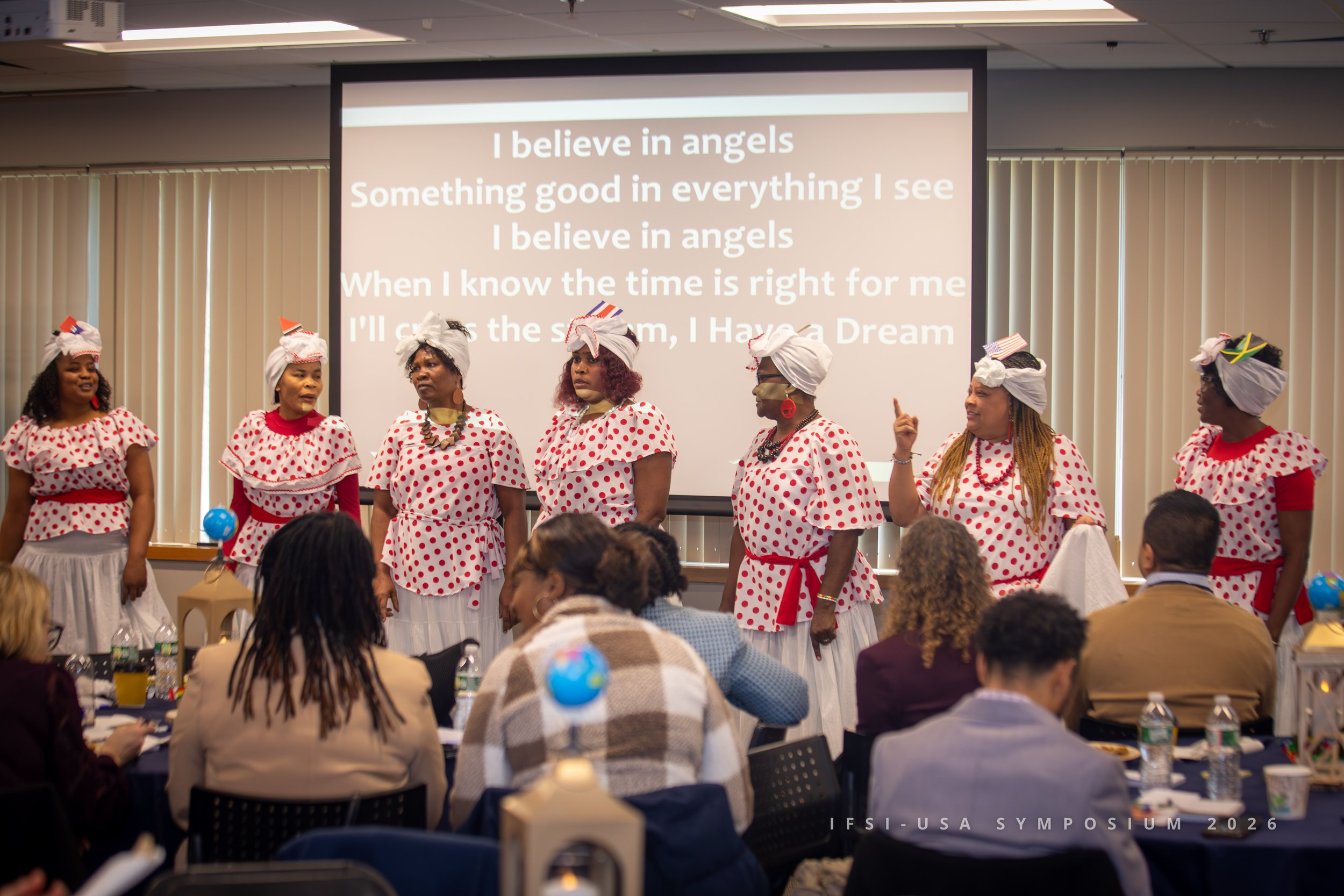
Cultural Performance


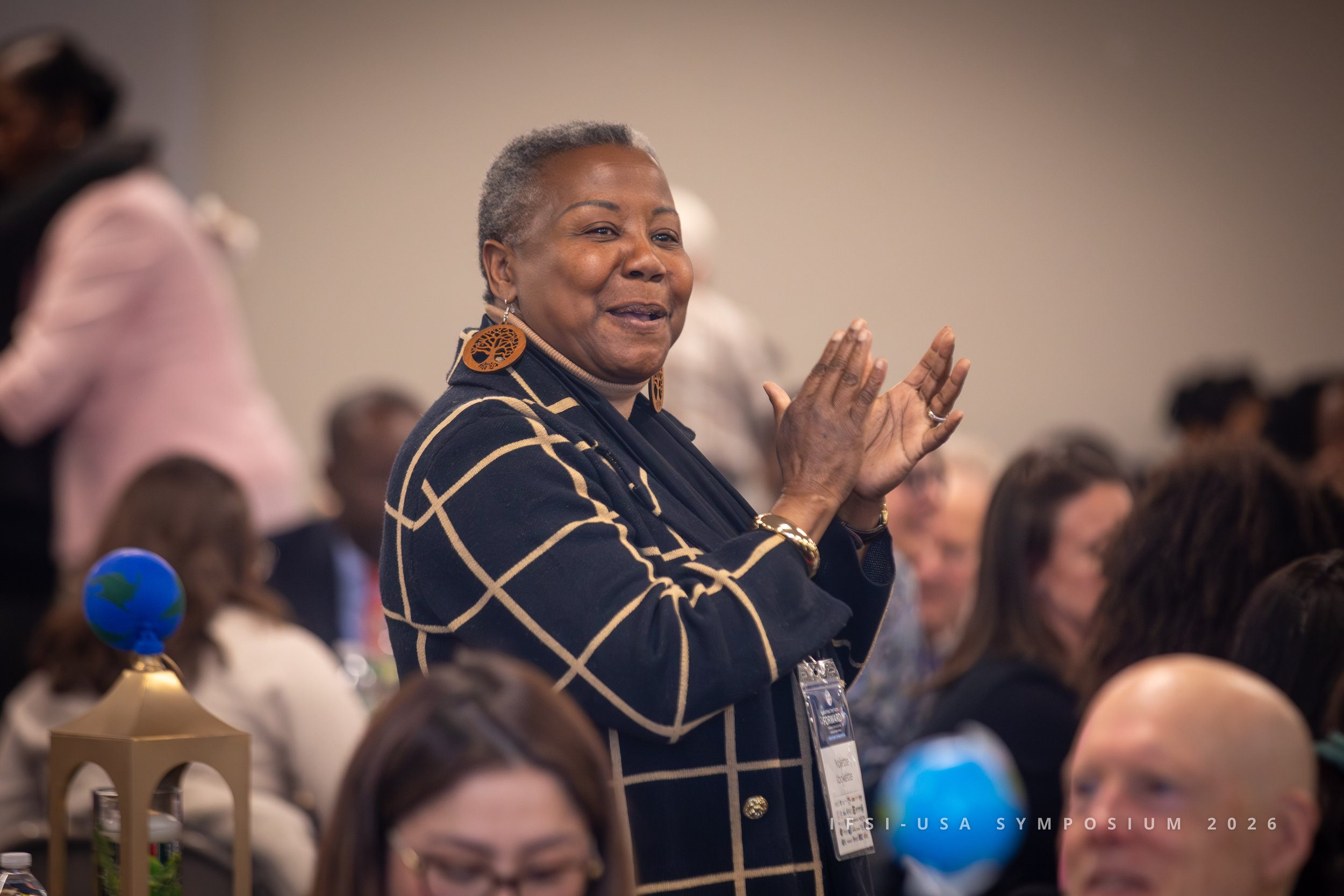
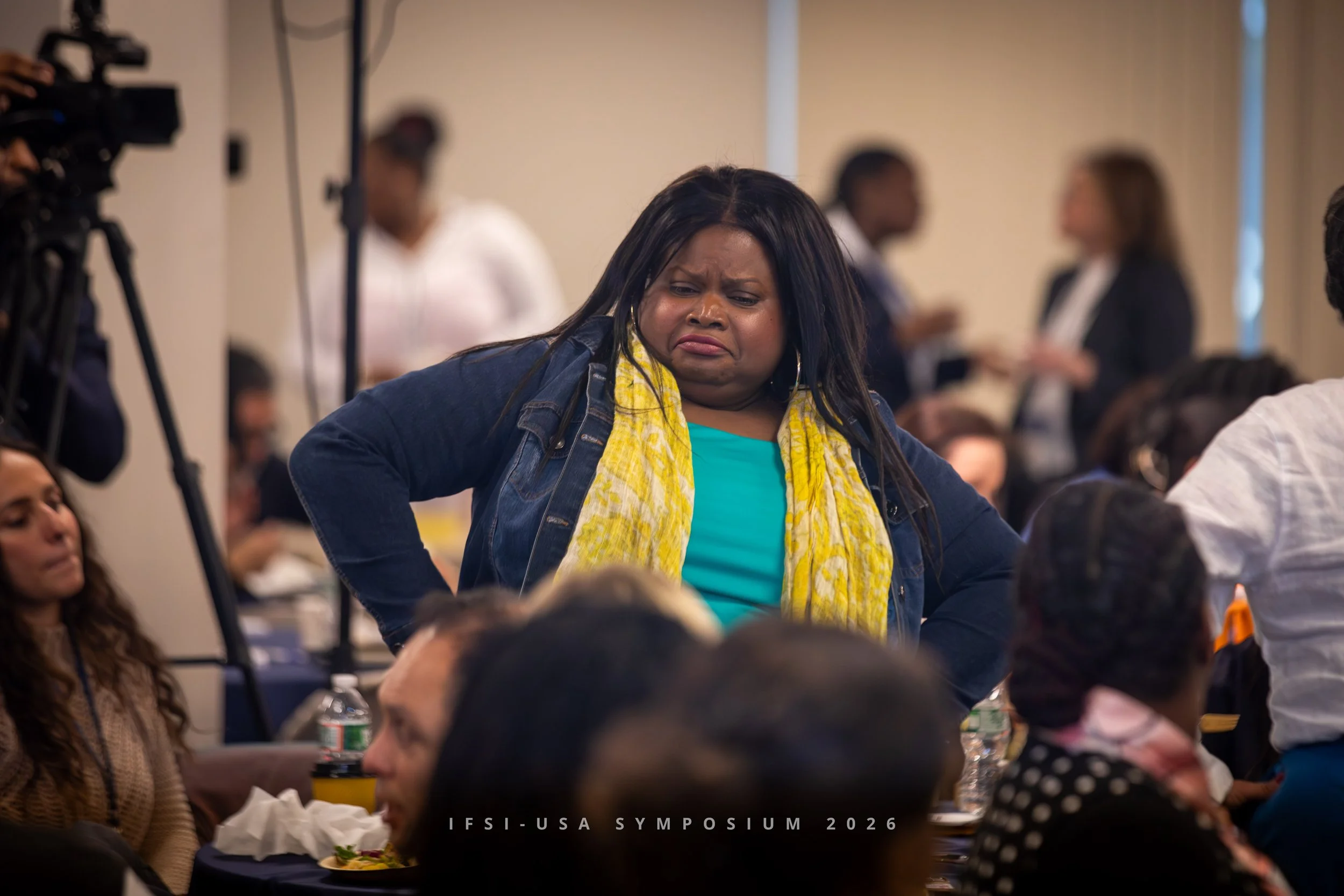
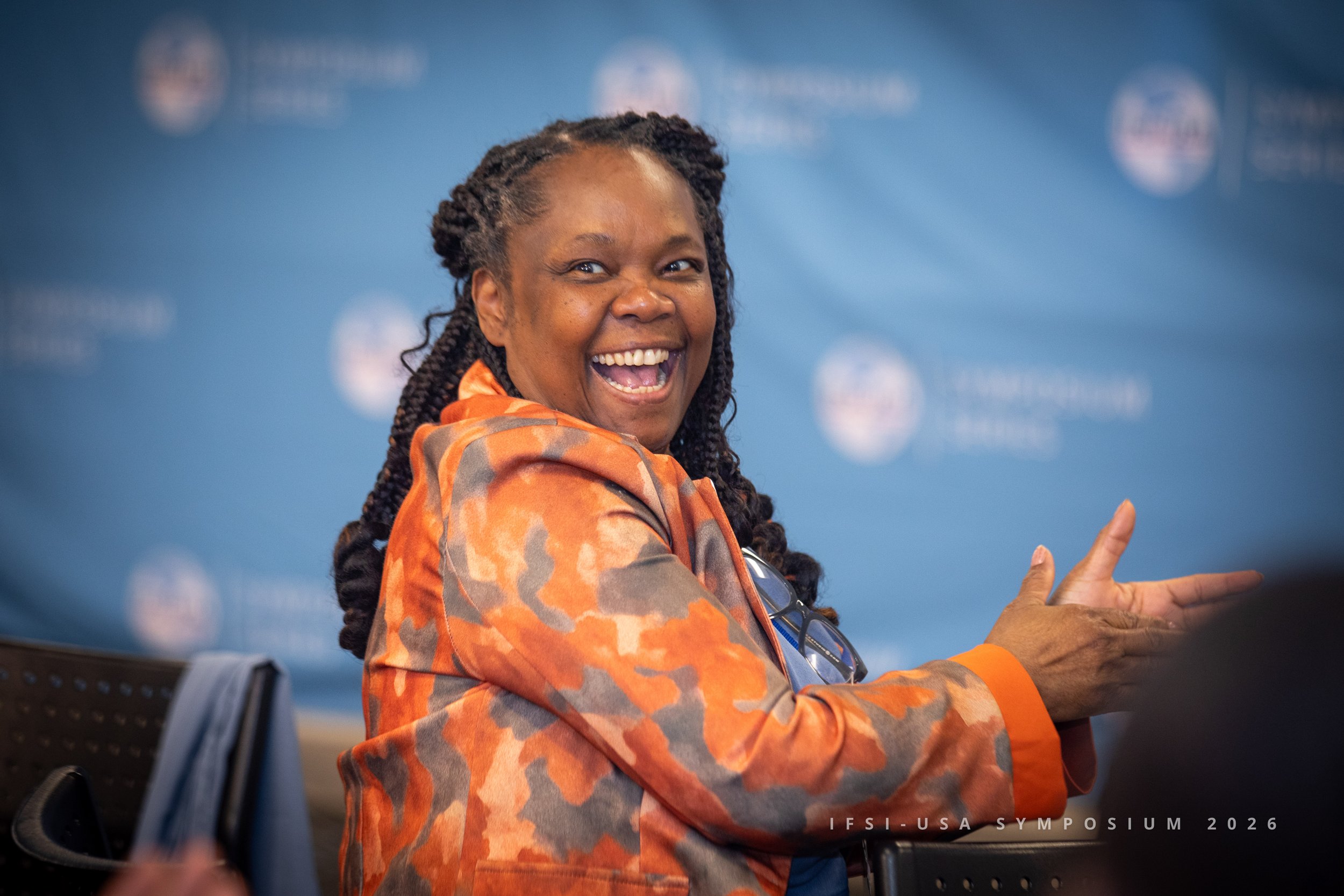
Afternoon Presentations
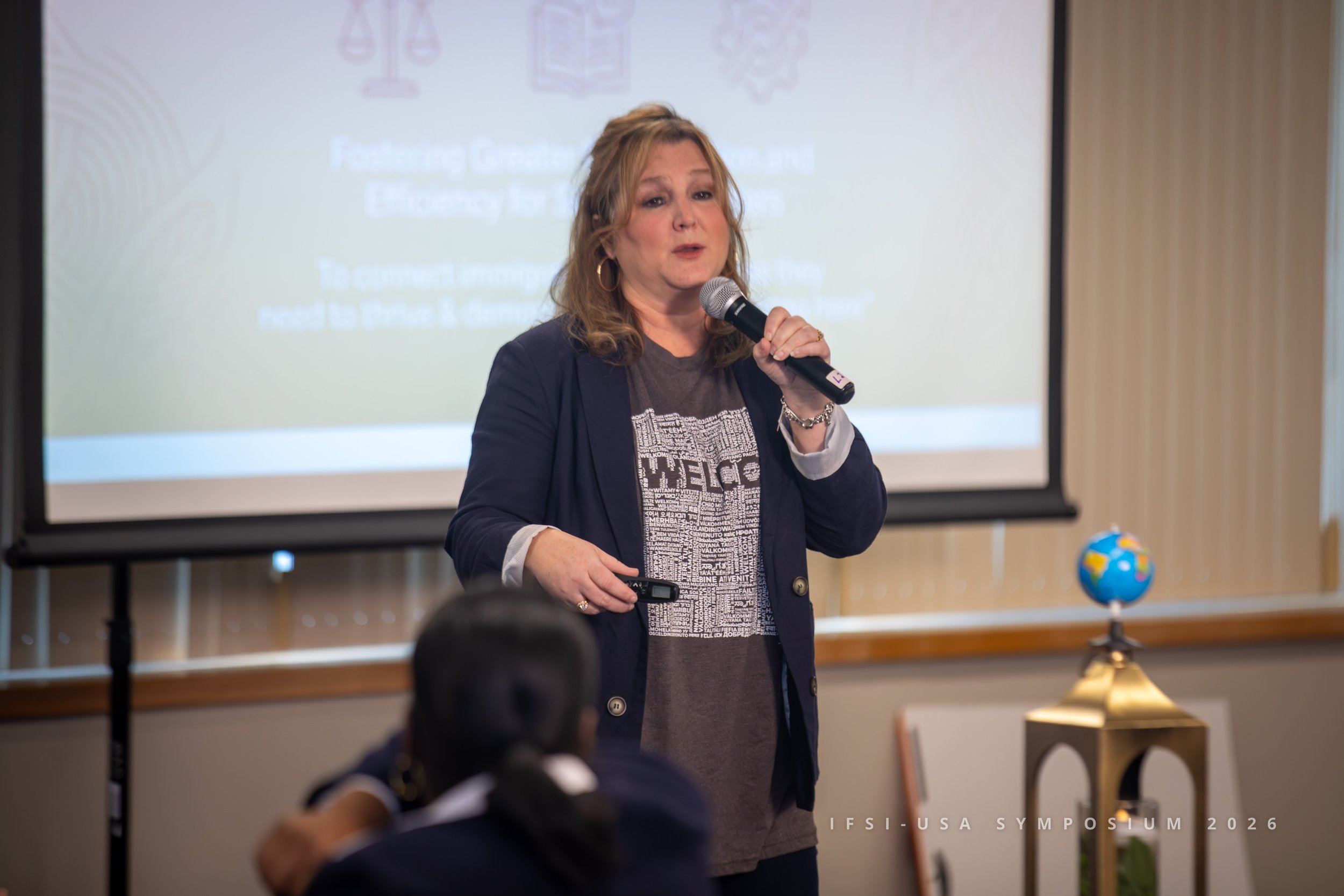
Melinda Priest of Immigration Connection at Awaken City introduced the Boston Immigrant Resource Dashboard (BIRD), a collaborative initiative designed to improve coordination across service providers. Developed over three years in partnership with nonprofits, government agencies, and faith-based organizations, BIRD offers a centralized platform with real-time information on services such as legal assistance and housing support. Developer Richard Tang demonstrated key features, including a provider map and comprehensive service directory, highlighting the platform’s role in streamlining access to critical resources.
Representatives from the Boston Energy Saver program, Brooks Winner and Paulina Dieffenbach, discussed the challenges residents face in navigating energy costs and available assistance programs. They presented the Energy Saver Helpdesk as a centralized resource that connects residents to cost-saving opportunities, including payment plans, energy efficiency upgrades, and discount programs. The initiative aims to simplify access, provide individualized support, and improve both affordability and household well-being.
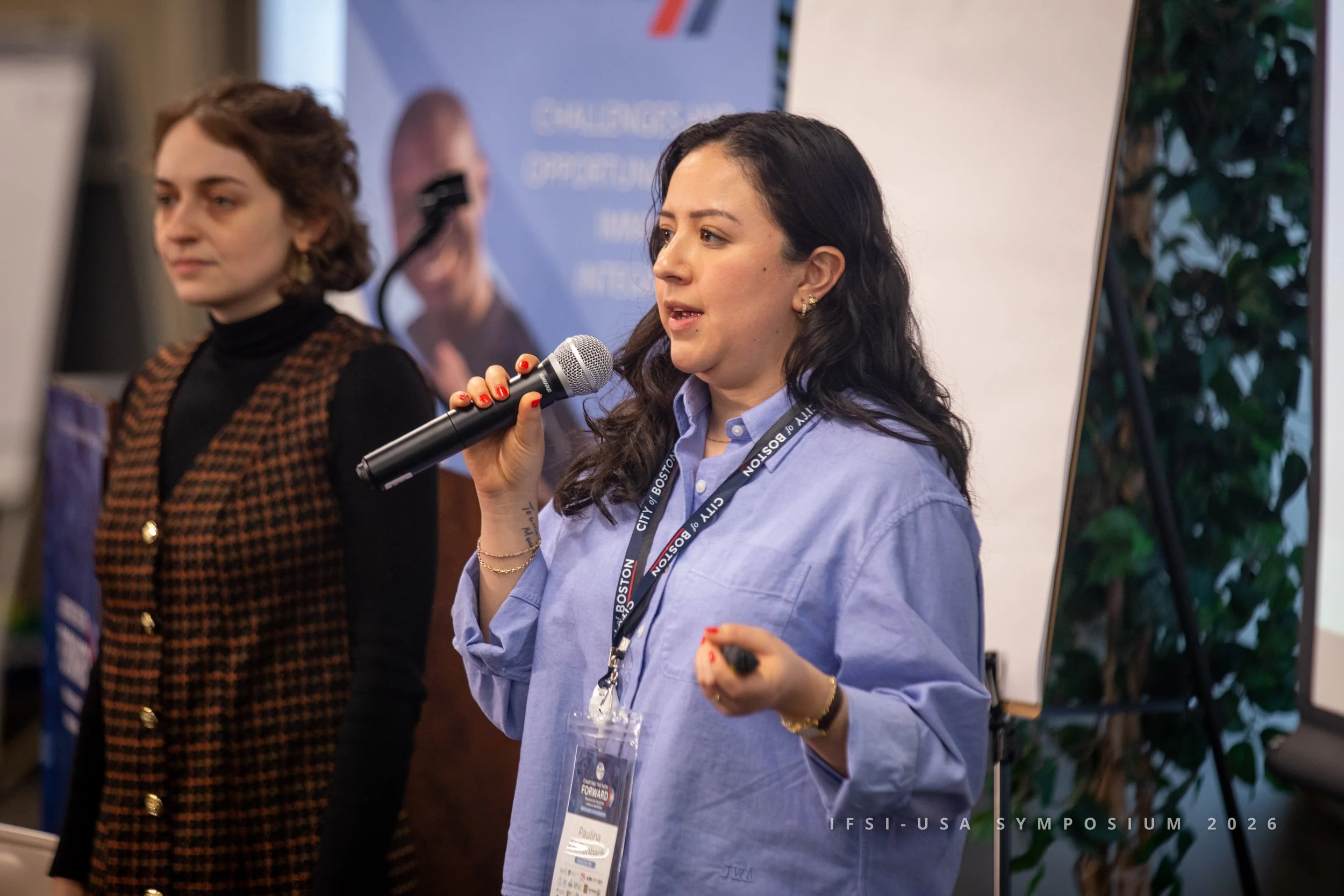
Lenita Reason of the Brazilian Worker Center addressed ongoing concerns related to wage theft and worker exploitation. She emphasized the importance of educating workers about their rights and noted an increase in cases where employers respond to complaints with threats of immigration enforcement. Reason reaffirmed that all workers are entitled to fair compensation regardless of immigration status and encouraged individuals to seek support when facing workplace violations.
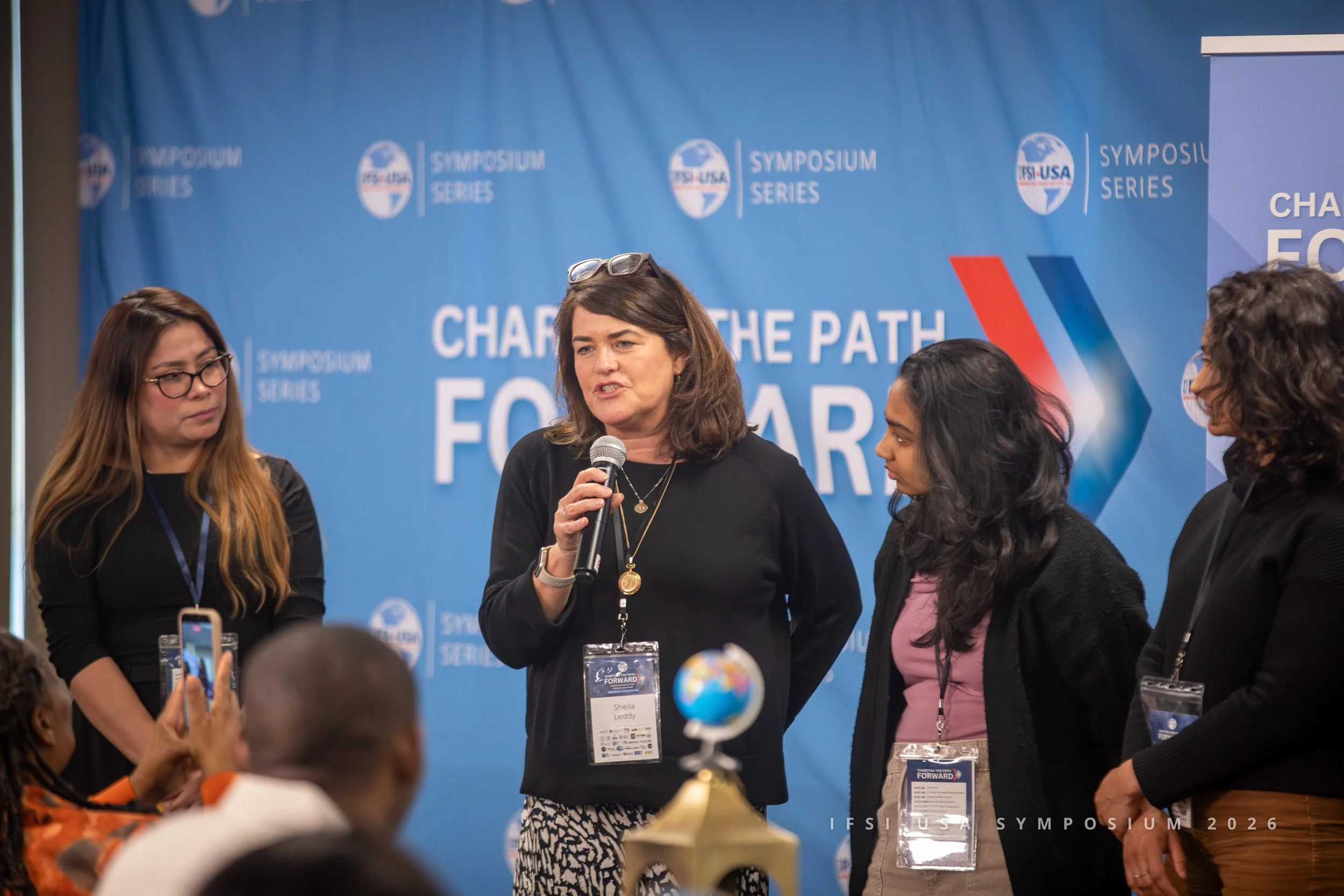
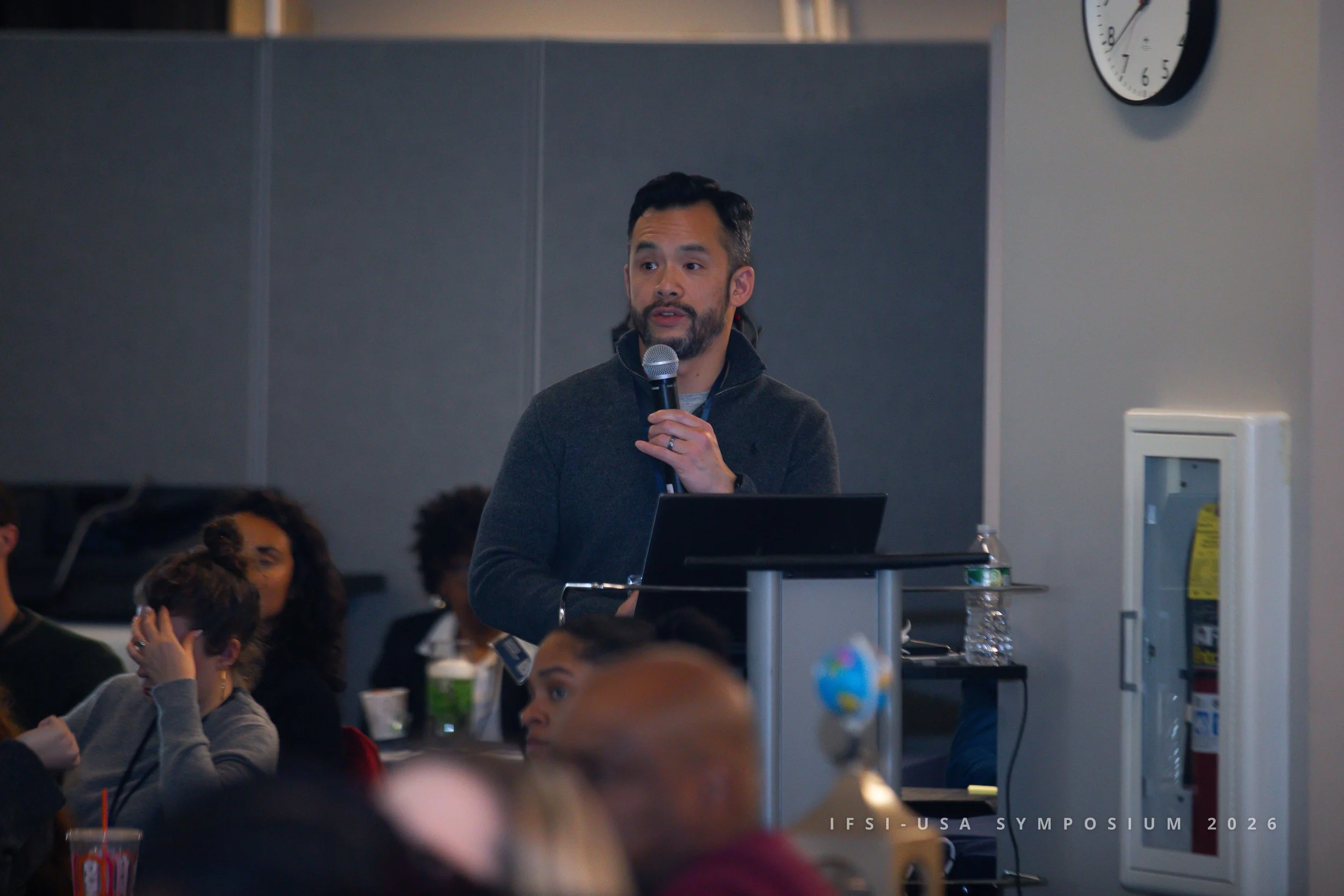
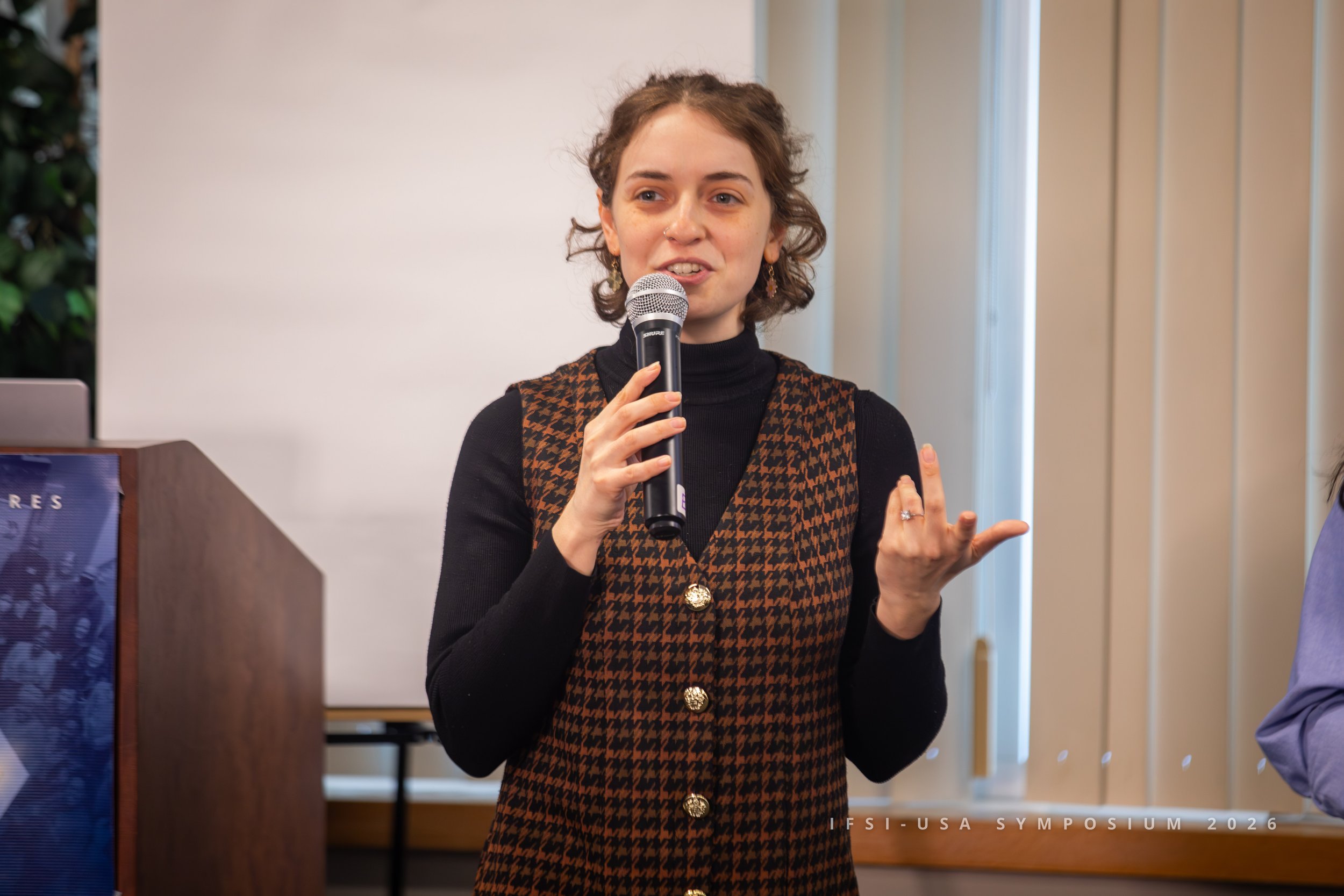
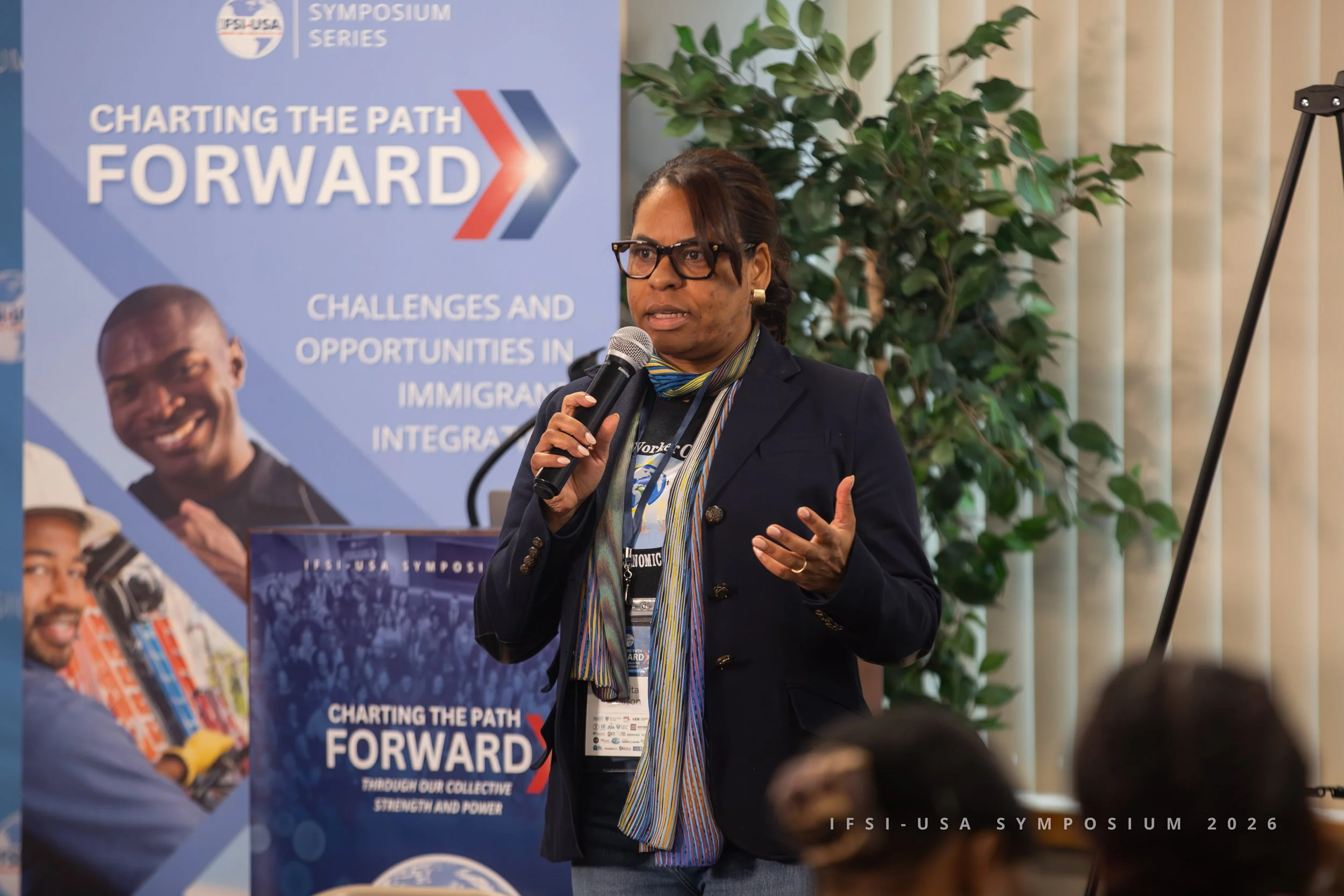
Boston City Councilor At-Large Ruthzee Louijeune highlighted the City’s efforts to expand support for immigrant communities, particularly through increased funding for legal services. She described successful efforts to secure significant financial commitments from philanthropic and civic partners and encouraged organizations to access available grant opportunities. Louijeune also reinforced the importance of continued advocacy at both the local and federal levels, including support for TPS-related efforts.
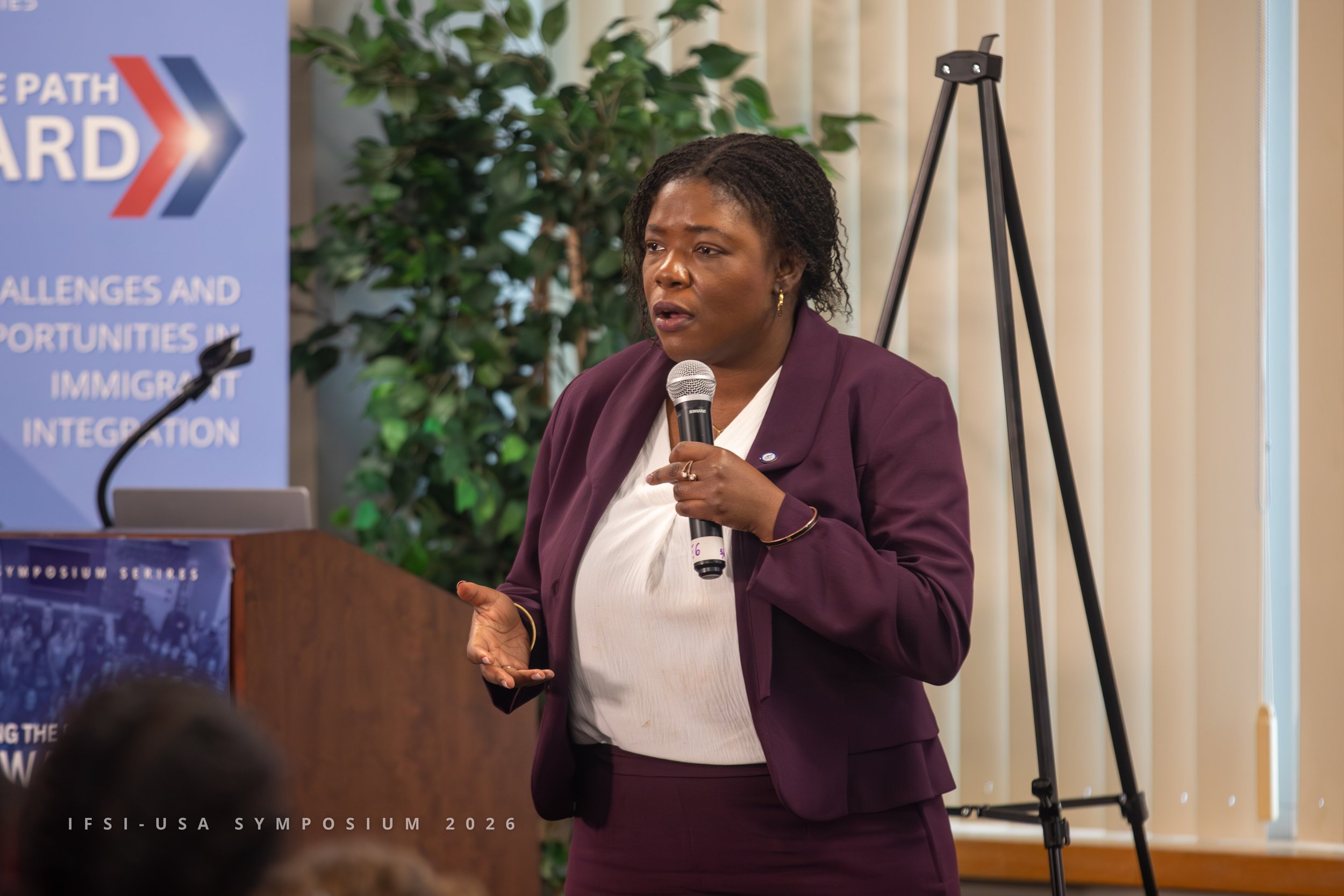
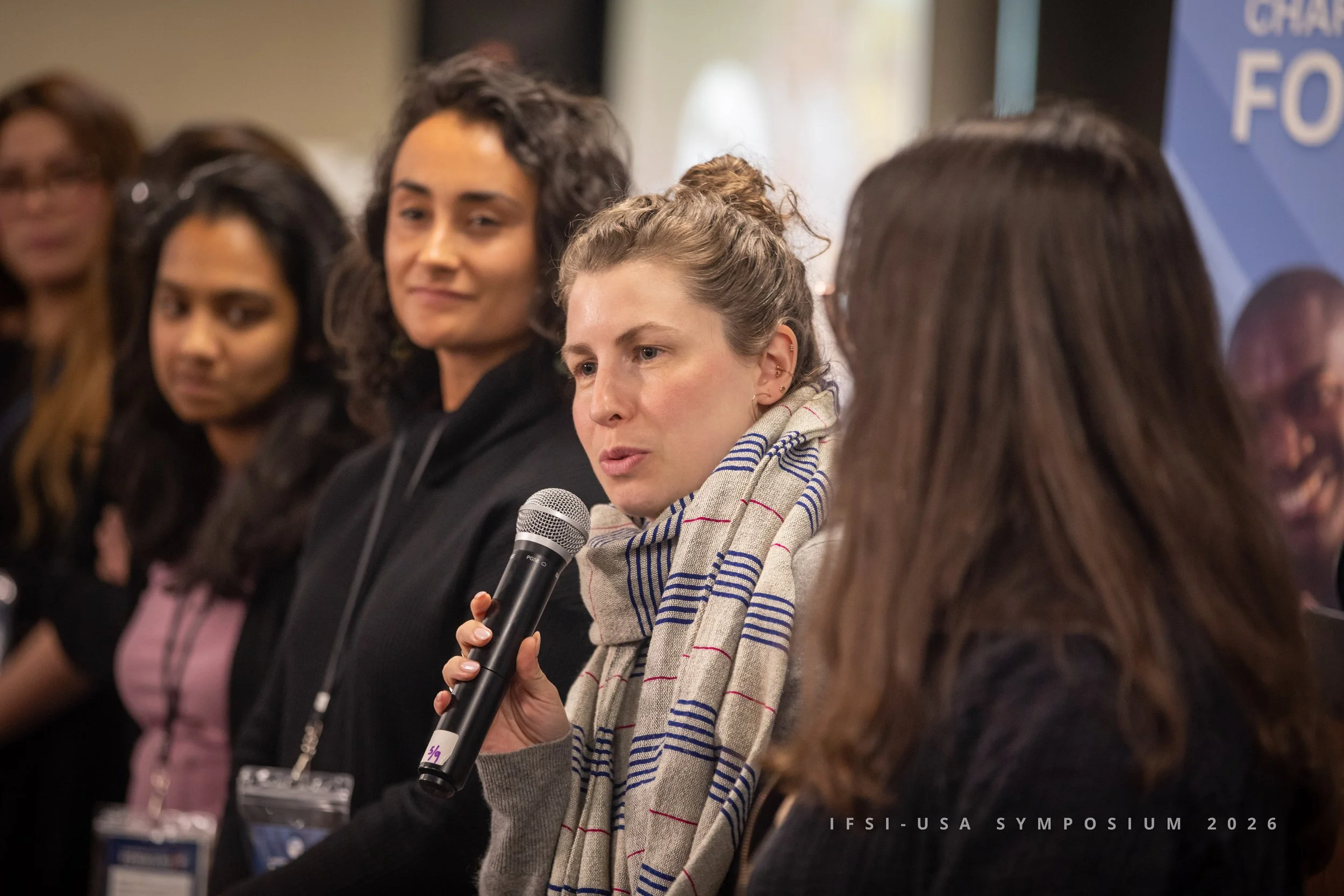
Representatives from the Hyams Foundation, Imago Dei Fund, and Boston’s Mayor’s Office for Immigrant Advancement (MOIA) provided updates on how their organizations are supporting the immigrant community through their funding initiatives. They emphasized that their organizations are actively listening to understand community needs, in addition to supporting community organizing, mental health services, and legal support.

Recap Video
THANK YOU
MAKE A DIFFERENCE
Your generous donation to IFSI-USA fuels our mission to advance critical initiatives and create lasting impact in the community. By supporting our activities and Symposium, you become a vital part of driving positive change and empowering those who need it most.